
In the quest for the ultimate home theater experience, choosing the right audio setup is crucial. A quality Wireless Surround Sound System can transform movie nights into immersive adventures. Imagine the thrill of feeling every explosion and whisper around you. This surround sound technology eliminates the hassle of wires, offering both convenience and flexibility.
However, not all systems are created equal. Some users may find themselves overwhelmed by the options available. The market is flooded with choices, and it can be challenging to identify what works best for your space. Based on rigorous testing and expert opinions, we have curated a list of the most reliable Wireless Surround Sound Systems for 2026.
This guide aims to highlight leading brands, notable features, and real user feedback. We understand that your home deserves a sound system that matches your lifestyle. Therefore, it’s essential to consider your unique preferences before making a choice. Prepare for an engaging audio experience that elevates your home theater to new heights.
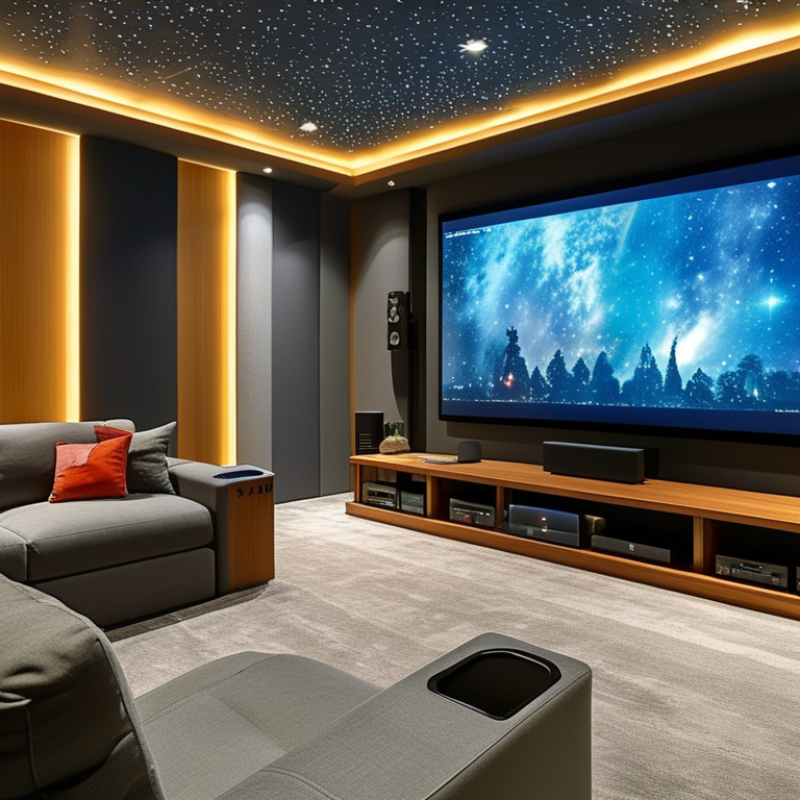
When choosing a wireless surround sound system, consider key features that enhance your home theater experience. Sound quality is essential. Look for systems that offer high-definition audio formats. Great clarity and deep bass can transform movie nights. Wireless connectivity is another vital feature. A reliable connection ensures sound remains uninterrupted across your space.
Setup flexibility is often overlooked. Some systems allow for various speaker placements, adapting to your room's layout. This adaptability can significantly improve sound distribution. User-friendly interfaces also matter. Easy navigation through settings creates a more enjoyable experience when adjusting sound levels or accessing different modes.
Potential drawbacks exist. Some systems may struggle with latency. This delay can affect audio synchronization with video. Additionally, battery life is an important consideration. Systems with short battery life can disrupt your experience. Many users overlook these issues when purchasing, so thorough research is crucial. Aim for a comprehensive understanding before making decisions.
| Feature | Description | Value |
|---|---|---|
| Audio Technology | Dolby Atmos, DTS:X support | Yes |
| Connectivity | Wi-Fi, Bluetooth, HDMI ARC | Available |
| Number of Channels | Channels available for surround sound | 5.1 / 7.1 |
| Total Power Output | Combined amplifiers strength | 300W - 500W |
| Smart Features | Voice Assistant compatibility | Amazon Alexa, Google Assistant |
| Setup Type | Ease of installation | User-friendly |
| Price Range | Typical costs for system | $500 - $1500 |
| Warranty Period | Duration for product support | 1 - 3 years |
When searching for the best wireless surround sound systems in 2026, several key factors stand out. The clarity of sound is crucial. Systems are now designed to deliver crisp audio across various genres. This enhances movie nights and music listening with unparalleled depth. The immersive experience truly matters, especially for home theaters.
Connectivity options have improved significantly. Most systems now feature Bluetooth and Wi-Fi capabilities. This allows seamless integration with smart devices. It's essential for enjoying content without hassle. However, some users report occasional connectivity issues that disrupt the experience. A common concern is syncing problems between audio and visual elements.
In terms of design, aesthetics matter. Many modern systems aim for a sleek look to complement home decor. It’s vital to choose a system that fits both visual and auditory preferences. While sound quality is often a focus, appearance can’t be neglected. This balance can be tricky to achieve. Users often need to weigh their options carefully to find the best match for their needs.
The evolution of home theater systems has brought remarkable advancements. Among these, Dolby Atmos and DTS:X stand out. Both technologies enhance the way we experience sound. They provide an immersive audio experience, making you feel part of the scene. Imagine hearing raindrops fall from above. Or a helicopter flying overhead. This level of sound engagement transforms movie nights.
Wireless surround sound systems leverage these advancements. They remove clutter while delivering high-quality audio. When configuring such systems, sound quality can vary. Wireless signals might lag or drop, impacting the experience. Potential interference from other devices could be an issue. It's essential to look for systems that minimize these drawbacks.
Consider the room's acoustics, too. Even the best technology may falter in a poor environment. Sound waves need space to travel freely. Therefore, placement of speakers matters greatly. Balancing proximity to walls and furniture is key. As wireless technology continues to evolve, it is vital to understand its limitations. Choosing a system requires careful thought.
The growth of wireless audio technology is reshaping home theater experiences. Recent industry reports suggest that the wireless audio market will reach $30 billion by 2026, a substantial increase from previous years. This surge is driven by advancements in Bluetooth and Wi-Fi audio transmission. More consumers prefer the clean look of wireless systems, reducing clutter while enhancing sound quality.
However, not all wireless systems achieve equal sound fidelity. Some users report lag or connectivity issues, which can hinder the immersive experience desired in home theaters. While wireless systems offer flexibility, the initial setup can be complex. Many consumers find themselves facing challenges during installation. It's essential to consider these factors when investing in wireless technologies.
In 2025, experts predict that 70% of home theater systems will be wireless. This trend indicates a significant shift in consumer preferences. Yet, with this growth comes the challenge of ensuring audio quality remains high. Balancing convenience with performance is critical. Users should weigh the benefits against the potential downsides as they explore wireless options for their home theaters.
When considering a wireless surround sound system, users prioritize audio quality above all. A crisp and clear sound is essential for an immersive experience. Many seek models that offer rich bass and balanced treble. User reviews often highlight the importance of sound clarity in dialogue, especially during movies. It’s frustrating when sounds get lost in the action. Readers want systems that deliver engaging audio without distortion.
Another factor often discussed is ease of setup. Users prefer systems that are straightforward and quick to install. Complicated installations can deter even the most enthusiastic audiophiles. Wireless connectivity is appealing, yet some still face issues with latency. This is a common complaint that needs addressing. Additionally, users value compatibility with various devices. The flexibility to connect to TVs, gaming consoles, and mobile devices is a must.
Design and aesthetics also play important roles. Many consumers are drawn to sleek designs that complement modern home decor. Some have shared their thoughts on how bulky systems can ruin a room's aesthetic. This highlights the importance of blending functionality with style. Overall, user insights reveal a clear picture of what is essential in today's wireless surround sound systems.
: Focus on sound quality, wireless connectivity, and setup flexibility. High-definition audio makes a big difference.
Sound clarity is crucial. Users often mention losing dialogue amidst action scenes.
Users frequently report latency problems. This can disrupt audio and video synchronization.
Complicated installations can frustrate users. Many prefer simple, quick setups to enhance enjoyment.
A shift toward wireless systems is evident. By 2025, 70% of systems will likely be wireless.
Many prefer sleek designs that fit modern decor. Bulky systems can detract from a room’s appearance.
Yes, short battery life can interrupt use. Users often overlook this while making their choice.
Compatibility with TVs, gaming consoles, and mobile devices is essential. Flexibility is important for many users.
Many overlook potential drawbacks. Understanding features and limitations can lead to better choices.
No, some systems fail to deliver high-quality sound. Users need to assess quality before buying.
In 2026, the demand for a high-quality Wireless Surround Sound System continues to rise as consumers seek immersive audio experiences for their home theaters. Key features of these systems include advanced connectivity options, ease of setup, and compatibility with modern audio formats like Dolby Atmos and DTS:X, which significantly enhance sound quality.
The article compares leading models in the market, highlighting their unique attributes and performance capabilities. Additionally, it explores industry trends, noting the rapid growth of wireless audio technology and how consumer preferences are shaping product development. Understanding what users prioritize in a Wireless Surround Sound System, such as sound fidelity, convenience, and integration with smart home devices, is crucial for manufacturers aiming to meet the evolving needs of home theater enthusiasts.
