
China Best Biodegradable Cigarette Sticks for Global Buyers

Time:2026-10-08 Author:Mason
0%

For global buyers, Biodegradable Cigarette Sticks represent a materials challenge, not merely a packaging trend. Filter rods, wrapping paper, adhesives, and additives must perform consistently during manufacturing, transport, and storage. They must also meet documented environmental claims. The World Health Organization estimates that trillions of cigarette butts enter the environment each year, creating persistent litter concerns. Its tobacco and environmental research highlights the need to reduce waste across the product lifecycle. The OECD Global Plastics Outlook reported 353 million tonnes of plastic waste in 2019, while only 9% was recycled. These figures explain why buyers are examining lower-impact filter materials.

Reliable sourcing requires more than a biodegradable label. Buyers should request fiber composition, biodegradation test conditions, migration data, and batch traceability. EN 13432 supports industrial compostability claims, but it does not prove rapid breakdown in streets, soil, or oceans. That distinction matters. The European Union’s Single-Use Plastics framework also places growing responsibility on producers for tobacco filters containing plastic. Suppliers should therefore provide independent laboratory reports and clear disposal guidance. Product consistency remains essential. A filter that breaks during packing is not a sustainable solution.

The best supplier may not offer the cheapest quotation. They should explain pilot results, moisture behavior, machine compatibility, and realistic end-of-life performance. Claims should be measurable, cautious, and region-specific. This market is promising, but it is not a magic fix. Some buyers may still discover gaps between laboratory testing and field conditions. Honest technical review, verified documentation, and continuous improvement can help global purchasers evaluate Biodegradable Cigarette Sticks with greater confidence.
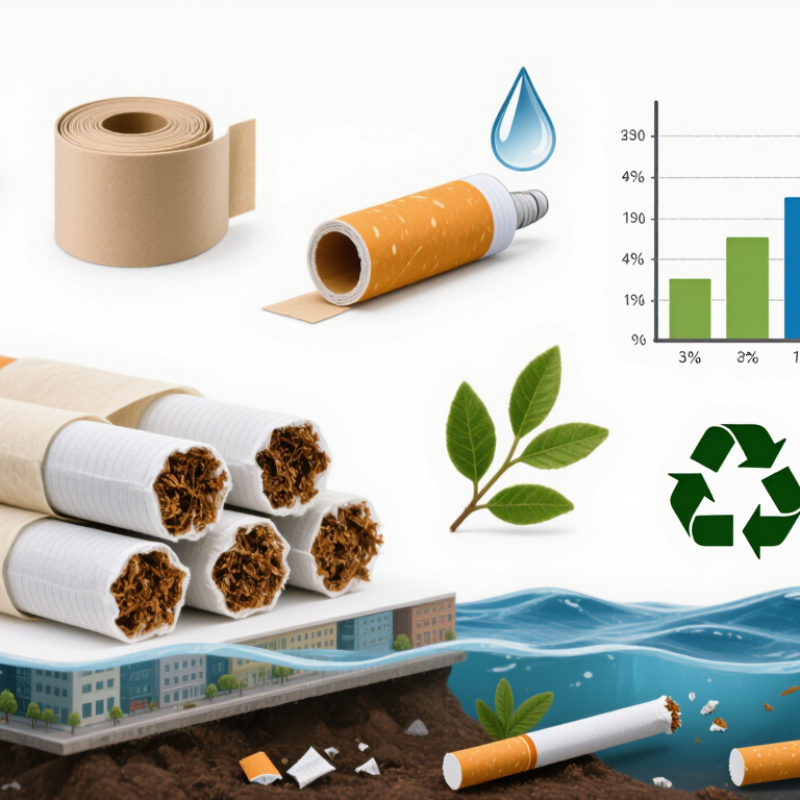
China Best Biodegradable Cigarette Sticks for Global Buyers

What Are Biodegradable Cigarette Sticks?

A biodegradable cigarette stick is a cigarette component designed to break down after disposal. It may include paper wrapping, plant-based fibers, and a biodegradable filter or holder. Unlike conventional plastic-containing filters, these materials aim to reduce persistent litter. The term is useful, but imperfect. Biodegradable does not mean harmless or instantly compostable.

In practical sourcing, buyers should examine the complete product structure. A paper outer layer may degrade quickly, while adhesives or filter fibers remain longer. Moisture, oxygen, temperature, and microbial activity also affect performance. Outdoor soil is not the same as an industrial composting facility. Some products perform well in laboratory tests but degrade slowly beside a roadside. This gap deserves attention.

Reliable suppliers should provide material specifications, degradation test results, and clear disposal guidance. Independent testing can verify fiber composition, coating safety, and breakdown time. Buyers should also check whether the product meets destination-market packaging and waste requirements. A responsible design avoids misleading environmental claims. It should not suggest that discarded cigarette materials can be left anywhere. Better products reduce persistence, but they do not remove disposal responsibility.

Key Materials Used in Biodegradable Cigarette Stick Production

China Best Biodegradable Cigarette Sticks for Global Buyers

Key Materials Used in Biodegradable Cigarette Stick Production

Biodegradable cigarette sticks usually combine cellulose-based fibers, paper, and plant-derived polymers. Cellulose paper can form the outer wrap or filter structure. It feels dry, cuts cleanly, and supports stable airflow. Some manufacturers use PLA or PHA materials for selected filter components. These polymers may require specific composting conditions. They do not always break down quickly in ordinary soil or streets.

Water-based adhesives can reduce solvent exposure during production. Vegetable-based inks may support clearer environmental documentation. However, “biodegradable” is not a complete environmental solution. Material performance depends on moisture, temperature, thickness, and local disposal systems. Experienced buyers should request test reports, material percentages, and production samples. Small differences in fiber density can change firmness and draw resistance. Results vary.

Tips: Check composting conditions, not only marketing terms. Ask for migration, strength, and biodegradation data. Compare samples after storage in humid environments. Do not assume plant-based means fully biodegradable. A careful specification review prevents costly misunderstandings.

How Biodegradable Cigarette Sticks Decompose After Disposal

China Best Biodegradable Cigarette Sticks for Global Buyers

How Biodegradable Cigarette Sticks Decompose After Disposal

Biodegradable cigarette sticks begin changing when moisture, oxygen, and microorganisms reach their materials. Cellulose-based parts usually soften first. Their fibers swell after rain or contact with damp soil. Bacteria and fungi then break the fibers into smaller organic compounds. This process may take weeks or several months. Temperature, humidity, soil quality, and material thickness strongly affect the timeline. Dry ground can slow decomposition dramatically. Biodegradable does not mean instant disappearance.

In practical product evaluation, disposal conditions matter as much as the stick design. A controlled composting site may support faster breakdown than a roadside environment. Some components can decompose, while coatings, inks, or adhesives may remain longer. Buyers should request clear material specifications and test reports. They should also check whether testing covers soil, compost, or marine conditions. Claims without test methods deserve careful review. I have found that simple packaging language can hide important limits.

Tips: Keep discarded sticks away from drains and waterways. Use collection containers during field trials. Ask suppliers about residue testing and local disposal guidance. Review performance after exposure to rain, heat, and soil. Real-world results may differ. That difference needs honest attention.

How Global Buyers Can Evaluate Product Quality and Compliance

China Best Biodegradable Cigarette Sticks for Global Buyers

Global buyers should evaluate biodegradable cigarette sticks through evidence, not appearance. A smooth paper wrap can look responsible while hiding plastic-based materials. Request the full material specification, including paper, adhesive, filter fiber, and additives. Check whether each component matches the supplier’s declaration. Small details matter.

Ask for independent laboratory reports covering biodegradation, disintegration, heavy metals, and harmful residues. The test conditions must be clear. Soil, industrial compost, and marine environments produce different results. A product labeled “biodegradable” may perform only under controlled facilities. That limitation should appear in technical documents and sales contracts.

Review batch consistency too. Compare fiber density, moisture content, size, and tensile strength across samples. One attractive sample proves little.

Compliance requires more than a certificate. Confirm the testing laboratory’s accreditation and the report’s validity. Check packaging language, recycling claims, import requirements, and product-contact restrictions in each target market. Requirements can differ between countries, even within one region.

Do not accept copied certificates or vague laboratory names. An on-site factory audit can reveal weak storage practices, mixed materials, or poor traceability. Still, audits are imperfect. Follow-up testing remains necessary. Claims should be modest, measurable, and linked to documented test conditions.

Sourcing and Import Considerations for International Buyers

For global buyers, sourcing biodegradable cigarette sticks requires more than comparing unit prices. The WHO reports that about 4.5 trillion cigarette butts enter the environment each year, highlighting the need for credible material choices. However, “biodegradable” is not a universal performance claim. Buyers should request the exact polymer composition, decomposition conditions, test duration, and residue analysis. EN 13432 or ASTM D6400 results may support industrial compostability, but they do not prove breakdown in soil, seawater, or household compost.

Import preparation should begin with a clear product specification. Define diameter, pressure drop, moisture range, hardness, packaging, and allowable material variation. Ask suppliers for recent third-party laboratory reports, batch traceability, safety data, and factory quality records. A pilot shipment is useful. It can reveal odor transfer, deformation during ocean transport, or unexpected customs classification. These problems are easy to underestimate.

Documentation must match the destination market. Check tariff codes, labeling rules, extended producer responsibility duties, and restrictions on single-use plastic components. In the European Union, tobacco-related filter requirements can include marking and producer obligations under the Single-Use Plastics framework. Local customs brokers and compliance laboratories should verify the final interpretation. Certification alone is not enough. Some claims still depend on disposal infrastructure, and buyers may need to communicate that limitation honestly. Mistakes happen here, especially when a supplier provides an impressive certificate without explaining its test conditions.

FAQS

What is a biodegradable cigarette stick?

It is a cigarette component designed to break down after disposal. It may contain paper, plant fibers, and biodegradable filter materials. Biodegradable does not mean harmless or instantly compostable.

How do biodegradable cigarette sticks decompose?

Moisture, oxygen, bacteria, and fungi begin changing cellulose-based materials. Fibers may soften after rain and damp soil. Breakdown can take weeks or several months.

What conditions affect decomposition speed?

Temperature, humidity, soil quality, oxygen, and material thickness all influence decomposition. Dry ground can slow the process greatly. Roadside conditions are unpredictable.

Do all components decompose at the same speed?

No. Paper may break down quickly, while adhesives, coatings, inks, or filter fibers remain longer. The complete structure needs evaluation.

Does biodegradable mean the product can be discarded anywhere?

No. Discarded sticks can still create litter and enter drains or waterways. Use collection containers during field trials. Disposal responsibility remains.

What documents should buyers request?

Request full material specifications and independent test reports. Documents should cover fibers, adhesives, additives, residues, and degradation time. Clear test methods matter.

Which testing conditions should buyers compare?

Compare soil, industrial compost, and marine-condition tests where relevant. These environments produce different results. One laboratory result proves little.

How can buyers check product quality between batches?

Compare fiber density, moisture content, dimensions, and tensile strength. Inspect several samples, not one attractive piece. Appearance can mislead.

What does a reliable compliance review include?

Check laboratory accreditation, report validity, packaging claims, import requirements, and product-contact restrictions. An audit may reveal mixed materials or weak storage. Follow-up testing is still necessary.

Conclusion

Biodegradable Cigarette Sticks are designed to reduce the long-term environmental impact of discarded smoking products by using materials that can break down under suitable natural or industrial conditions. Their construction may combine biodegradable fibers, plant-based binders, and other responsibly sourced components, while maintaining the strength, consistency, and performance required during manufacturing and use. After disposal, decomposition depends on moisture, temperature, oxygen, microorganisms, and the specific material composition, so buyers should evaluate realistic degradation claims rather than relying on vague environmental statements.

For international buyers, product quality should be assessed through material documentation, independent testing, batch consistency, safety data, and clear evidence supporting biodegradability claims. Importers should also review packaging requirements, labeling rules, customs documentation, certifications, and destination-market environmental standards before placing an order. Careful supplier communication, sample testing, and inspection procedures can help confirm that the products meet technical specifications and applicable laws. A responsible sourcing process should prioritize transparent documentation, safe materials, and lawful commercial use throughout the supply chain.

Mason

Mason

Mason is a seasoned marketing professional with a deep expertise in the company's offerings and a passion for driving brand awareness. With a strong background in digital marketing strategies, he has an innate ability to connect with diverse audiences and effectively communicate product benefits.......