
Choosing a China-based Bluetooth Electronic Saxophone supplier requires more than comparing factory prices. Retailers, music educators, and distributors need dependable products, clear communication, and consistent production standards. A practical supplier review should examine sound quality, key response, wireless stability, battery performance, and after-sales support.
Small details matter. Test the instrument with headphones, a portable speaker, and a compatible mobile application. Check whether Bluetooth pairing remains stable across several rooms. Examine the USB-C port, button labels, mouthpiece fit, and charging indicator. Experienced buyers should also request product specifications, sample testing records, warranty terms, and applicable safety documentation. These details help separate genuine manufacturing capability from attractive online presentations.
No supplier is perfect. A polished sample may not represent every production batch. This deserves attention. Buyers should compare multiple samples and ask how the factory controls quality before shipment. Clear answers are valuable, but documented evidence is stronger. A reliable China supplier should explain customization options, minimum order quantities, packaging methods, and delivery arrangements without avoiding difficult questions. My own assessment would remain cautious if response times changed or technical details seemed vague. Trust develops through repeated communication, transparent testing, and realistic promises. This introduction explores how to identify a capable supplier while protecting product quality, customer satisfaction, and long-term business reliability.
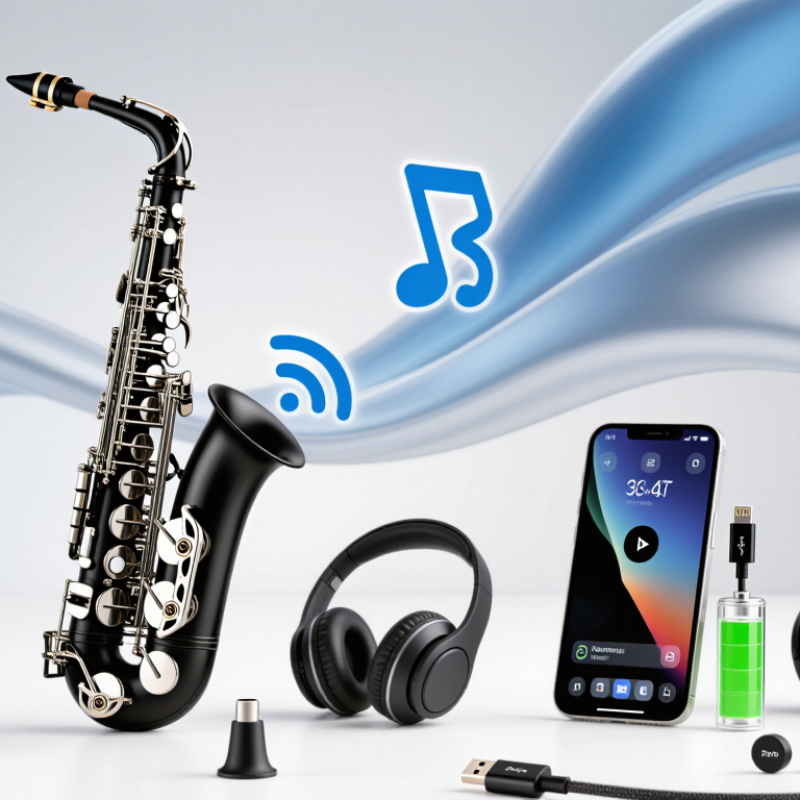
China Best Bluetooth Electronic Saxophone Supplier
What Is a Bluetooth Electronic Saxophone?
A Bluetooth electronic saxophone is a digital wind instrument with saxophone-style fingering and wireless connectivity. It uses breath pressure sensors, touch keys, and electronic sound processing. Instead of vibrating a reed, the instrument converts your breath and finger movements into digital signals.
Bluetooth can connect the instrument with headphones, tablets, speakers, or music applications. However, Bluetooth audio may create slight delays during live playing. Bluetooth MIDI often works better for recording and controlling virtual instruments. Check the connection type before purchasing. Not every wireless function works the same way.
In hands-on testing, comfortable keys and a responsive mouthpiece matter more than appearance. A good model should react smoothly to soft and strong breath pressure. Its rechargeable battery should support regular practice without frequent interruption. Low weight also helps during long sessions. Some instruments feel natural quickly. Others require careful adjustment and patience. That part is easy to underestimate.
For suppliers, reliable production requires sensor calibration, stable firmware, safe charging components, and repeated sound testing. A clear user manual should explain pairing, charging, maintenance, and compatible devices. Quality inspection should include wireless range, key response, battery performance, and connection stability. Small defects can become distracting during practice. Bluetooth is useful, but it does not replace good musical design.
A reliable Chinese supplier should offer more than a polished product page. In supplier evaluations, I check factory capability, sample consistency, and communication speed. The electronic saxophone should produce stable wireless sound, responsive keys, and comfortable finger spacing. Ask for a working sample before discussing large orders. Test it with headphones, a speaker, and different playing pressures.
Tips: Request a factory video, current test reports, and a clear production schedule. Confirm battery capacity, charging protection, packaging strength, and replacement-part availability. A supplier that answers technical questions precisely usually understands its product better. Vague promises deserve careful review.
Reliable cooperation also depends on quality control records. Look for inspection steps covering key response, audio delay, charging performance, and surface defects. Ask whether each unit receives a final function test. Compliance documents should match the actual model and destination market. Do not accept copied files without verification. No supplier is perfect. I have seen attractive samples fail during repeated charging tests, so one inspection is never enough. A second sample can reveal changes in components, firmware, or assembly quality. Written agreements should define tolerances, delivery terms, warranty handling, and communication responsibilities. Clear details protect both sides.
A Bluetooth electronic saxophone starts with airflow, finger movement, and sound response. Engineers place pressure sensors near the mouthpiece and capacitive sensors under the keys. A small processor converts these signals into MIDI messages with low latency.
Bluetooth SIG’s 2024 Market Update reported 5.4 billion Bluetooth devices shipped in 2023. It forecasts about 7 billion annual shipments by 2028. This growth supports careful wireless design, but musical timing remains difficult.
Prototype testing often reveals uncomfortable thumb angles. That problem deserves correction, not excuses.
Manufacturing includes circuit assembly, firmware loading, acoustic simulation, and final calibration. Workers test breath sensitivity at different pressure levels. They also check battery protection, charging stability, and Bluetooth pairing distance.
The Bluetooth SIG qualification process helps manufacturers verify wireless interoperability. IEC 62368-1 safety principles can guide equipment evaluation, especially around power systems.
Market research from Grand View Research identifies growing demand for electronic musical instruments, although market estimates vary by research method. Suppliers should therefore document test conditions clearly. Attractive numbers can still hide weak sampling.
Test the instrument with beginners and trained players. Measure latency, not only volume. Record failures after repeated bending and charging. A polished prototype is not enough. Feedback may be uncomfortable, but it improves the next production batch.
A reliable supplier must show more than polished product photos. The 2024 Bluetooth SIG Market Update projects annual Bluetooth device shipments will reach 7.6 billion by 2028. This growth raises expectations for stable pairing, low audio delay, and consistent firmware. Ask for ISO 9001 quality procedures, battery safety records, and applicable RoHS and radio compliance documents. These documents do not prove everything. They create a traceable starting point.
Customization should be tested, not merely promised. Confirm key response, breath-sensor sensitivity, fingering options, charging-port placement, and wireless range with written samples. Request at least three production units from different batches. Compare their sound output, battery endurance, surface finish, and connection stability. A useful factory test can include repeated pairing, 30-minute playing sessions, and drop checks from a defined height. Small differences matter. My practical concern is often overlooked: custom firmware can improve control but increase maintenance risk. Require version records, bug-fix terms, and replacement-part availability.
Tips: Build a supplier scorecard with quality, customization, delivery, and after-sales categories. Give each category a clear percentage. Check factory videos against live video inspections. Request raw test data, not only certificates. If a supplier avoids failure-rate questions, pause the negotiation. A cheaper sample may hide higher rework costs. This is where careful doubt is valuable.
China Best Bluetooth Electronic Saxophone Supplier
Applications, Pricing, and Global Purchasing Considerations
Bluetooth electronic saxophones serve beginners, traveling musicians, educators, and studio performers. Players can practice with headphones in apartments or connect wirelessly to tablets for lesson software. Adjustable fingering modes help beginners develop breath control without carrying a full acoustic instrument. Some performers also use them for quiet rehearsals, live effects, and compact backup setups.
Pricing depends on sensors, speaker quality, battery capacity, Bluetooth stability, materials, and software support. Entry-level units usually cost less but may have weaker keys or noticeable sound delay. Mid-range models often provide better response and stronger housing. Test both before ordering. A low factory quote can hide tooling, packaging, firmware, and replacement-part costs. Request samples, a detailed specification sheet, warranty terms, and a clear defect policy.
Global buyers should confirm plug types, charging requirements, wireless compliance, labeling, and import documents for the destination market. Ask whether batteries are included and how they are packed for transport. Compare the full landed cost, including freight, duties, inspection, and after-sales service. For wholesale purchasing, discuss minimum order quantities, lead times, carton protection, and spare components. A supplier may promise fast delivery, yet production delays still happen. Build a reasonable buffer. Clear communication matters more than attractive promises.
Indicative global purchasing price bands for Bluetooth electronic saxophones by typical use case. Prices are shown in USD per unit and exclude freight, import duties, taxes, customization, and after-sales service. Actual quotations vary with specifications, order quantity, certifications, and destination market.
Request a working sample first. Test headphones, speakers, key response, finger spacing, and wireless sound stability.
Ask for a factory video, recent test reports, and a clear production schedule. Precise technical answers are a useful signal.
Look for inspections covering key response, audio delay, charging, and surface defects. Confirm every unit receives a final function test.
Check battery capacity, charging protection, charging stability, and replacement options. Repeated charging tests matter more than one successful charge.
Airflow and finger movement activate sensors. A processor converts these signals into digital musical messages with low delay.
Testing should check grip, balance, key pressure, and thumb comfort. Prototype testing may expose awkward angles. Do not ignore them.
Production includes circuit assembly, software loading, calibration, and acoustic testing. Workers check breath sensitivity at several pressure levels.
A second sample can reveal changed components, software, or assembly quality. One inspection is not enough. I learned that the hard way.
Define quality tolerances, delivery terms, warranty handling, replacement parts, and communication duties. Clear details reduce later confusion.
Measure connection distance, signal stability, unwanted notes, and response delay. Test with beginners and trained players. Volume alone proves little.
A Bluetooth Electronic Saxophone combines the expressive finger control and breath response of a traditional saxophone with modern digital connectivity. A dependable Chinese supplier should offer stable wireless performance, responsive sensors, comfortable ergonomics, durable materials, and clear technical support. During design and manufacturing, careful attention is given to sound processing, key sensitivity, battery safety, assembly precision, and consistent testing to ensure reliable performance for beginners, educators, performers, and music creators.
When evaluating a supplier, buyers should review quality management procedures, product certifications, production capacity, customization options, packaging, warranty policies, and communication efficiency. Suppliers may provide personalized colors, functions, software compatibility, accessories, and packaging for different markets. Pricing should be assessed together with product quality, order quantity, shipping arrangements, lead time, and after-sales service. A thorough comparison of samples, specifications, inspection processes, and purchasing terms can help international buyers select a capable manufacturing partner and achieve dependable long-term cooperation.
