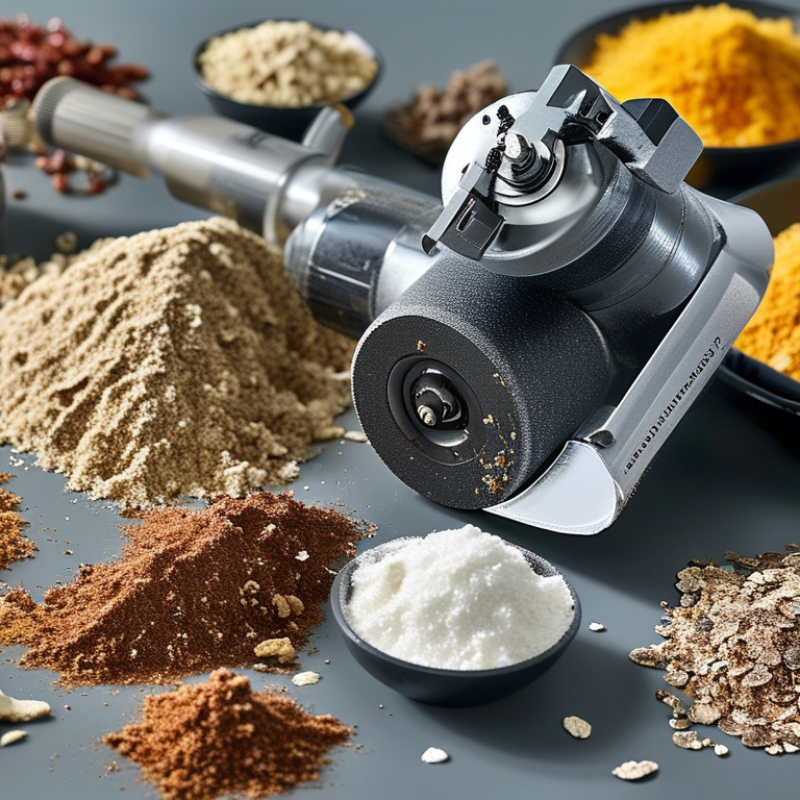
The Dry Grinding Function Grinder is an essential tool in various industries. It excels in processing materials into fine powders. This process is vital for applications in pharmaceuticals, food production, and more.
Many professionals rely on the efficiency of a Dry Grinding Function Grinder. It uses abrasive forces to grind materials without the need for any liquids. This characteristic keeps the grinding process clean and reduces contamination risks. However, achieving the perfect grind requires precision and care.
Often, users face challenges in selecting the right settings. Understanding the grinder's specifications and capabilities is crucial. Overlooking these details can lead to suboptimal results. Despite its effectiveness, the learning curve can be steep. Professionals must experiment to find the ideal parameters for their specific materials. Balancing efficiency and quality is not always straightforward.
What is a Dry Grinding Function Grinder?
A dry grinding function grinder is an essential tool in various industries. It processes materials without the use of water or other liquids. This method is preferred for many applications, particularly where moisture could harm the product’s quality. Commonly ground materials include grains, spices, and even some metals.
The grinder operates by utilizing high-speed blades or discs. These components crush and grind the materials into a fine powder or desired consistency. It’s fascinating how this simple mechanism can achieve such variance in texture. However, the process requires careful attention. Too much grinding can lead to overheating, impacting the end product's flavor or properties.
Users often choose this method for its efficiency. Unlike wet grinding, dry grinding involves less cleanup. Yet, it can produce a lot of dust. This aspect demands proper safety measures. Operators must wear masks and ensure adequate ventilation. Attention to these details ensures the grinding process is safe and productive.
Key Components of a Dry Grinding Function Grinder
A dry grinding function grinder is an essential tool for various industries. It effectively reduces materials into fine particles without using water or other liquids. This method helps preserve the material’s properties and prevents unwanted reactions. The key components of a dry grinding function grinder play a vital role in its efficiency and effectiveness.
The grinding chamber is a crucial part. It houses the grinding media, like blades or balls, which crush the material. The design of the chamber influences the grinding process. A well-designed chamber helps achieve finer particles. Additionally, the motor powers the grinder, providing the necessary energy for effective grinding. Strong motors are crucial for tougher materials, where lower power may lead to unsatisfactory results.
Another important component is the sieve or screen. This part determines the final particle size. It allows smaller particles to pass while retaining larger ones. The choice of sieve affects both quality and efficiency. Operators should regularly assess the condition of these components. Wear and tear can diminish performance. Periodic maintenance helps ensure reliability and consistency in results. Understanding these components aids users in making informed choices in their grinding needs.
Dry Grinding Function Grinder Performance Analysis
The chart above illustrates the performance metrics of a dry grinding function grinder, showcasing key parameters such as Speed in RPM, Power Consumption in Watts, Material Removal Rate in cm³/min, and Durability in hours. These parameters are essential for evaluating the efficiency and effectiveness of the grinding process.
How Dry Grinding Function Grinders Operate Mechanically
Dry grinding function grinders are fascinating machines designed for efficiency. They primarily crush materials without adding moisture. This process helps in retaining the original qualities of the product. The mechanics behind these grinders involve several crucial components. A robust motor drives the grinding chamber, where the grinding occurs.
Inside the chamber, grinding discs or blades create a strong impact on the material. The friction generated leads to particle size reduction. Several options exist for adjusting the grinder’s settings. Users can modify speed and pressure based on their specific needs. This ensures a fine grind or coarse texture, depending on the desired outcome.
Moreover, the design allows for easy cleaning, an essential feature in maintaining hygiene. Nevertheless, care must be taken not to overload the machine. Overloading can lead to overheating and potential damage.
Dry grinding, while efficient, may produce heat that affects the material properties. Users should monitor the process closely to avoid undesirable results. Regular maintenance is vital to keep the grinder in top condition.
Applications and Benefits of Dry Grinding in Various Industries
Dry grinding is a crucial process in industries such as mining, ceramics, and even pharmaceuticals. It offers numerous advantages, including energy efficiency and reduced wear on equipment. In mining, for instance, dry grinding allows for better management of moisture-sensitive materials. This method reduces the risk of clogging and improves product quality. In ceramics, the dry grinding process aids in creating finer particles, leading to more uniform product properties.
Tips: Always ensure your equipment can handle dry materials effectively. Check for wear and tear regularly.
In the pharmaceutical industry, dry grinding is essential for producing specific particle sizes. This affects the bioavailability of drugs. Smaller particle sizes can enhance drug delivery, making it more effective. However, achieving the desired particle size can be challenging. A balance must be struck between particle size and production efficiency.
Tips: Monitor the grinding process closely. Adjust settings as needed for optimal results. Reflect on the efficiency of your current processes periodically.
Maintenance Tips for Optimal Performance of Dry Grinding Grinders
Maintaining a dry grinding function grinder is essential for optimal performance. Regular attention to this equipment ensures efficiency and longevity. Start by cleaning the grinding chamber after each use. Residual materials can affect the grinding quality. Use a soft brush to remove dust and fine particles.
Check the blades periodically. Dull blades produce inconsistent results. If you notice a decrease in performance, it may be time to sharpen or replace them. Keep an eye on any unusual sounds during operation as they can indicate wear or misalignment.
Temperature is another factor. Avoid running the grinder continuously for extended periods. Allow it to cool down to prevent overheating. Finally, consider the grinding material. Using the right type of material ensures better results and lowers maintenance needs. Remember, a well-maintained grinder leads to better quality in your final products.
What is a Dry Grinding Function Grinder and How Does It Work? - Maintenance Tips for Optimal Performance of Dry Grinding Grinders
| Feature |
Description |
Maintenance Tips |
| Functionality |
Used for grinding materials without the use of water |
Regularly clean to prevent material buildup |
| Components |
Includes grinding wheel, motor, and hopper |
Inspect components for wear and tear frequently |
| Materials |
Ideal for dry ingredients like grains, spices |
Use appropriate settings for different materials |
| Heat Management |
Can generate heat during operation |
Allow cooling breaks to extend lifespan |
| Safety |
Potential for dust and particle dispersion |
Use protective gear, ensure proper ventilation |
FAQS
: A dry grinding function grinder processes materials without using water or liquids. It’s widely used in industries.
Dry grinding preserves material quality. Moisture can harm products, making dry methods safer for sensitive materials.
Grains, spices, and some metals are commonly ground. Each material has specific needs for grinding efficiency.
It uses high-speed blades to crush materials into fine particles. This mechanism varies the texture achieved in the final product.
Wear masks for dust and ensure good ventilation. Attention to safety helps maintain a productive environment.
The grinding chamber, motor, and sieve are essential. Each component affects efficiency and the final grind quality.
It determines the final particle size. Finer particles pass through, impacting both quality and production effectiveness.
Mining, ceramics, and pharmaceuticals utilize dry grinding. Each industry enjoys advantages like energy efficiency and product quality.
Balancing particle size and production efficiency is tricky. Continuous monitoring is necessary for optimal results.
Regular checks on grinder components improve reliability. Wear and tear can diminish performance, impacting the overall process.
Conclusion
A Dry Grinding Function Grinder is a specialized tool designed for grinding materials without the use of water or other liquids. It primarily consists of key components such as grinding wheels, motors, and feed mechanisms, all working together to achieve efficient material reduction. Mechanically, these grinders operate by utilizing friction and pressure, allowing for precise control over the grinding process.
Dry grinding is widely used in various industries, including construction, manufacturing, and food processing, due to its ability to preserve material integrity and reduce contamination risks. The benefits of using a Dry Grinding Function Grinder include improved efficiency, lower operational costs, and ease of maintenance. For optimal performance, regular maintenance such as cleaning, lubrication, and monitoring of wear on key components is essential. This ensures the grinder operates effectively, extending its lifespan and enhancing productivity.