
The global market for energy storage solutions is evolving rapidly. Among these innovations, the Dual Chamber Detachable Battery stands out. Its unique design significantly enhances both flexibility and efficiency for users worldwide. This battery system separates its chambers, allowing for easy replacement and maintenance. Buyers benefit from improved longevity and reduced downtime.
Manufacturers are recognizing the need for reliable and efficient energy solutions. The Dual Chamber Detachable Battery addresses these needs by providing a modular approach. This feature enables users to swap batteries effortlessly, ensuring continuous operation. As energy demands increase, so does the importance of adaptable energy solutions.
Despite its advantages, potential buyers must consider their specific needs. The initial cost may be higher than traditional batteries. Users should weigh long-term benefits against upfront expenses. Understanding the intricacies of the Dual Chamber Detachable Battery can lead to better investment decisions. Being informed helps buyers navigate this complex landscape effectively.
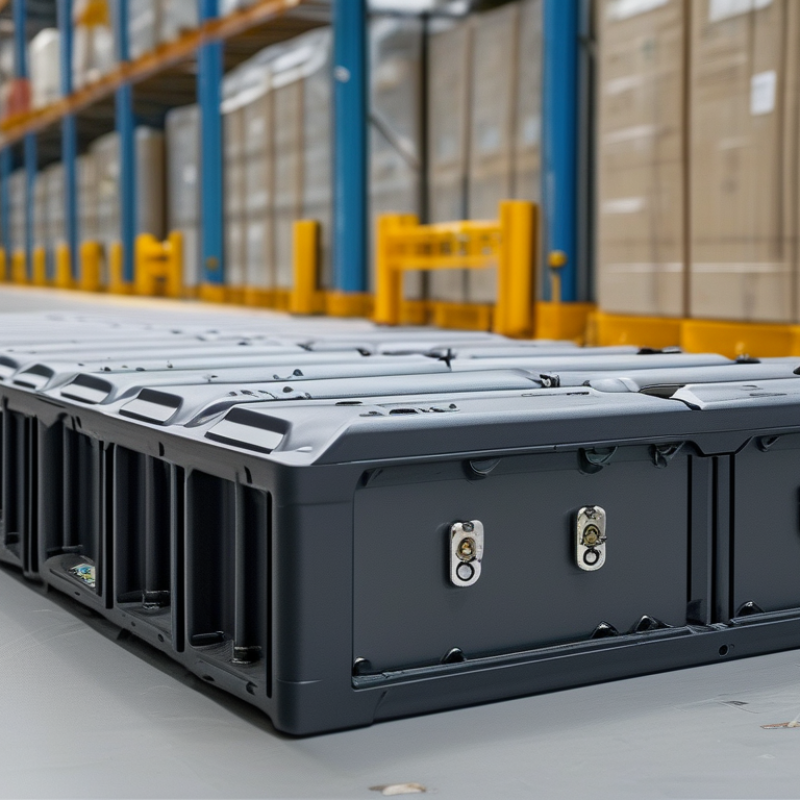
The dual chamber detachable battery technology is gaining traction among global buyers for its innovative approach to energy storage. This technology features two separate chambers, allowing for efficient energy management. According to industry reports, this can lead to a significant increase in battery life and performance, with studies indicating up to a 30% improvement in energy density compared to traditional batteries.
Users benefit from the modular design, providing the flexibility to replace or upgrade only one chamber. This is a cost-effective solution for consumers and businesses alike. A report by Research and Markets highlights that the global market for detachable batteries is projected to grow at a CAGR of 15% from 2023 to 2028. This growth reflects a rising demand for sustainable and user-friendly energy solutions.
Tips for maximizing the advantages of dual chamber batteries include understanding charge cycles. Users should avoid deep discharging to prolong battery lifespan. Monitoring battery performance regularly can identify any issues early, ensuring optimal functionality. Embracing this technology can lead to energy independence and a greener future, but caution is essential in handling and maintaining these advanced systems.
The dual chamber design in batteries has gained attention for its promising performance benefits. Studies show that this configuration enhances energy density by approximately 20% compared to conventional single chamber designs. This increased capacity is crucial for powering devices in sectors such as electric vehicles and portable electronics, where energy demands are high.
Another significant advantage lies in thermal management. The dual chamber system allows for better heat dissipation, reducing the risk of overheating. According to a 2022 report by the International Battery Association, temperature control is vital for prolonging battery life and reliability. Batteries that maintain optimal temperatures can have a lifespan extended by up to 30%.
However, the complexity of dual chamber designs cannot be overlooked. Manufacturing processes may require more sophisticated techniques, potentially raising initial production costs. Furthermore, consumers may face challenges in recycling such advanced technologies. These factors highlight the need for ongoing innovation and standardization in the industry. Understanding these dynamics is essential for global buyers considering investments in advanced battery technologies.
The rise of dual chamber detachable batteries is reshaping our energy landscape. Recently, markets around the world have shown increased interest in this innovative technology. These batteries offer advantages like mobile adaptability and efficiency. Consumers value convenience and sustainability in their choices.
As global adoption grows, we see diverse applications. In electric vehicles, for example, these batteries enhance performance and range. Users appreciate the ability to swap batteries easily, reducing downtime and extending travel distance. However, there are challenges in infrastructure and standardization that need addressing.
The changing market dynamics reveal a mix of excitement and apprehension. Buyers may wonder about compatibility and future upgrades. It's essential to navigate these concerns mindfully. A balance between innovation and reliability is crucial for long-term success. Embracing this technology requires a willingness to adapt and invest in education about its benefits.
The dual chamber detachable battery system is gaining traction among global buyers, thanks to its diverse advantages. According to industry reports, such systems can increase a device's overall efficiency by up to 30%. This is a significant factor for consumers looking for enhanced battery life without compromising on performance. The convenience of swapping batteries allows users to minimize downtime, an attractive feature for those who rely heavily on portable devices.
When considering a dual chamber battery system, several factors influence buyer decisions. Durability is key; as per recent surveys, 55% of consumers prioritize battery lifespan in their purchasing choices. A model that offers high resilience against wear can reduce replacement costs. Additionally, compatibility with existing devices is crucial. A seamless fit can often sway buyers who may otherwise hesitate to adopt new technology. Furthermore, user reviews and expert analyses play a vital role in shaping perceptions and trust in these products. Potential buyers often find themselves reflecting on the balance between cost and long-term benefits, often resulting in a complex deliberation process.
The environmental impact of detachable battery systems is a growing concern for global consumers. These systems allow users to easily replace batteries, extending the lifespan of the device while reducing electronic waste. A recent report by the International Telecommunication Union (ITU) highlights that electronic waste is projected to reach 74 million metric tons by 2030. Adopting detachable battery systems can significantly diminish this waste.
Detachable batteries also promote sustainability by enabling efficient recycling practices. According to the International Energy Agency (IEA), roughly 45% of all lithium-ion batteries are recycled, but the potential could rise dramatically with easier access to removable batteries. This accessibility enhances recovery rates, transforming spent batteries into valuable raw materials. Ultimately, materials like lithium and cobalt can be reused, cutting the need for new mining operations that harm the environment.
Despite these advantages, challenges remain. The transition to detachable systems requires education on proper disposal and recycling. Current consumer habits may not prioritize these practices, leading to improper battery disposal. Furthermore, the production of these systems could generate more carbon emissions initially. A careful approach is essential to maximize benefits while minimizing potential negative environmental impacts.
| Feature | Benefit | Environmental Impact | Sustainability |
|---|---|---|---|
| Dual Chamber Design | Increased energy efficiency | Reduced energy loss | Promotes longer product lifespan |
| Detachable Batteries | Easy replacement and upgrades | Less electronic waste | Supports modular designs |
| Recyclable Materials | Lower production costs | Minimized environmental footprint | Encourages resource recovery |
| Fast Charging Technology | Convenient usage | Efficiency in energy use | Enhances user satisfaction |
| Lightweight Design | Enhanced portability | Reduced carbon footprint during transport | Promotes ease of recycling |
: It uses two separate chambers to improve energy storage and management. This design enhances battery life and performance.
Studies show it can boost energy density by about 30% compared to traditional batteries. This is crucial for high-demand devices.
Users can replace or upgrade just one chamber, making it cost-effective. This flexibility appeals to both consumers and businesses.
Avoid deep discharging and monitor performance regularly. These practices help prolong battery lifespan and ensure optimal functionality.
Better heat dissipation reduces the risk of overheating. Maintaining optimal temperatures can extend battery life by up to 30%.
They reduce electronic waste and promote recycling. Easier access to removable batteries can enhance recovery rates of valuable materials.
Users need education on proper disposal and recycling. Current habits may not prioritize these practices, leading to potential waste.
Manufacturing these advanced systems may require sophisticated techniques, raising initial production costs. Continuous innovation is needed.
Embracing dual chamber batteries can support a greener future. However, careful handling and maintenance are essential.
Production may generate higher carbon emissions initially. Balancing benefits with potential negative impacts is crucial.
The article "Dual Chamber Detachable Battery Benefits for Global Buyers" highlights the innovative technology of dual chamber detachable batteries, which offer significant advantages in battery performance. By facilitating easier maintenance and replacement, these batteries enhance user convenience while promoting longer lifespan and improved energy efficiency. The market is witnessing a growing global adoption of such battery systems, driven by trends towards sustainability and environmental responsibility.
Additionally, the article examines key considerations influencing buyers' decisions, including compatibility, charging efficiency, and overall cost-effectiveness. The dual chamber design not only meets the increasing demand for environmentally friendly solutions but also aligns with the global push for sustainable energy practices. Overall, dual chamber detachable batteries present a promising opportunity for buyers seeking efficient and sustainable power sources.
