In the ever-evolving world of technology, choosing the right Digital Display Screen Headset can be overwhelming. With so many options available, buyers may find it challenging to identify the best fit for their needs. This guide simplifies the process, offering insights into the top ten headsets currently on the market.
Understanding the features and specifications of each headset is crucial. Features such as display quality, comfort, and connectivity options can greatly influence your experience. Many buyers often overlook these aspects, leading to dissatisfaction.
Furthermore, it's important to consider personal preferences and how each headset suits individual use cases. Different scenarios require varying functionalities. Take your time. Reflect on what matters most for your purposes. The right choice can enhance your virtual experiences significantly while the wrong one can lead to frustration. This guide is crafted to help you make an informed decision.
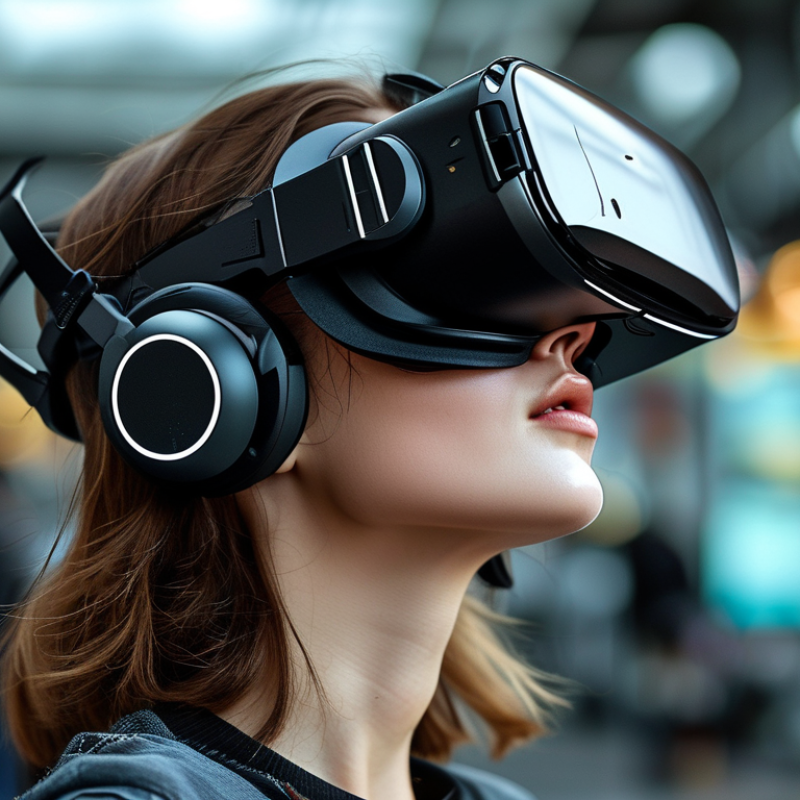
Understanding Digital Display Screen Headsets: Key Features to Consider
When exploring digital display screen headsets, understanding their key features is crucial. Comfort should be top of mind. Poor fit can lead to discomfort during long sessions. Adjustable straps and cushioned earcups enhance user experience. A lightweight design can make a significant difference, especially for extended use.
Another essential factor is display quality. Look for high resolution to ensure visuals are clear and immersive. Field of view impacts how engaging the content feels. A wider field allows for a more natural experience. Consider the refresh rate as well. Higher rates reduce motion blur during fast movements.
Battery life is often overlooked. A long-lasting battery ensures uninterrupted use. Yet, the need for frequent recharging can be frustrating. It's essential to balance performance with endurance. Finally, connectivity options matter. Ensure compatibility with your devices. A headset should be versatile, enhancing your overall digital experience without limitations.
Types of Digital Display Screen Headsets: A Comparative Overview
When exploring digital display screen headsets, understanding the types is crucial. There are several key categories to consider.
Virtual reality (VR) headsets provide immersive experiences for gaming and simulations. Augmented reality (AR) headsets blend digital elements with the real world. Then, there are mixed reality (MR) headsets that offer a combination of both VR and AR functionalities. Each type serves different needs and experiences.
Comfort and fit are often overlooked aspects. Not all headsets suit every user. Weight distribution affects prolonged use. Some users may find a particular model painful after a short time. Consider the type of use too. Will it be for gaming, professional tasks, or training? The answer influences the ideal choice. Features like resolution and field of view should not be dismissed either. They impact usability significantly.
In terms of tech specifications, look into latency and refresh rates. High latency can result in motion sickness. Likewise, refresh rates matter for a smooth experience. Many headsets claim advanced features, but they might not deliver real-world performance. Users often need to weigh personal preferences against these specifications. This reflection can lead to better choices and enhanced satisfaction.
Factors Influencing Your Purchase Decision: Budget, Compatibility, and Usage
When considering a digital display screen headset, your budget plays a crucial role. According to recent market analysis, nearly 45% of consumers prioritize affordability. However, a low price can sometimes lead to compromises in quality. For instance, models under $100 may lack vital features like resolution or comfort. Understand your financial limits but don't assume that the cheapest option will meet your needs.
Compatibility is another significant factor. As per a 2022 survey, 38% of users experienced issues when pairing headsets with devices. Ensure that your new headset supports the systems you use. This can include operating systems or gaming consoles. A headset that works seamlessly with your setup improves the overall experience and prevents frustration.
Usage scenarios can drastically shift your headset requirements. Gamers might favor headsets with immersive sound and low latency. Professionals, on the other hand, might need models optimized for long hours of wear. Factors such as weight and design therefore become essential. A headset that feels uncomfortable can lead to distraction, affecting performance. Each of these elements needs careful consideration for effective decision-making.
Top Brands and Models: What the Market Offers in 2023
As digital display screens continue to advance, the market is flooded with various headsets designed for immersive experiences. According to a recent industry report, the demand for high-quality visual displays in headsets is expected to grow by 25% annually through 2025. This surge reflects the rising interest in augmented and virtual reality applications across multiple sectors.
Key features to consider include resolution, refresh rate, and comfort. Resolutions exceeding 1080p are increasingly common, with some models reaching 4K. Additionally, a refresh rate of at least 90Hz enhances the overall visual experience. Comfort is also critical; many users report fatigue after prolonged use. This can lead to questions about ergonomics and weight distribution in headset design.
Interestingly, while many brands compete for market dominance, reliability still varies widely. Data shows that many users experience software issues or hardware malfunctions shortly after purchase. This highlights the importance of thorough research before making a decision. Professionals often recommend looking for user reviews and conducting firsthand tests. Finding the right headset may require several iterations and adjustments based on personal preferences.
Customer Reviews and Expert Opinions: Making Informed Choices
When considering digital display screen headsets, customer reviews play a critical role. These reviews provide real-world insights from users. They highlight the headset's strengths and weaknesses. Some customers praise the excellent resolution and immersive sound quality. Others might complain about comfort during extended use. This diverse feedback offers valuable context for potential buyers.
Expert opinions are also essential. Industry analysts evaluate performance specifications and user experiences. They test headsets on various criteria, including visual clarity and tracking accuracy. Experts often emphasize the importance of compatibility with different devices. Their insights can guide users toward making informed choices. However, experts can also have biases. They may favor specific features or brands. Potential buyers should consider multiple sources of information for a balanced view.
Reflection on personal needs is crucial. What works for one person may not suit another. Some users might prioritize sound quality over design. Others could focus on affordability. It’s worth noting that all reviews contain some level of subjectivity. Taking time to research thoroughly can help in making better decisions.
FAQS
: Comfort and fit are essential. Adjustable straps and cushioned earcups can enhance your experience during long use.
Very important. Look for high resolution and a wide field of view for clearer visuals and immersive experiences.
A refresh rate of at least 90Hz is recommended. Higher rates reduce motion blur during fast movements.
Long battery life ensures uninterrupted use. Frequent recharging can be frustrating and disrupt your experience.
Ensure the headset is compatible with your devices. Versatility enhances your overall digital experience without limitations.
Yes, some users report software or hardware malfunctions shortly after purchase. Research and user reviews can help.
It may require several iterations. Experimenting with different models based on personal preferences is often necessary.
Poor fit can cause fatigue. Ergonomics and weight distribution are crucial in headset design to avoid discomfort.
This depends on battery life. It's frustrating to recharge frequently, so look for options with long-lasting batteries.
Yes, demand for high-quality visual displays is rising, expected to grow by 25% annually through 2025.
Conclusion
The article "Top 10 Digital Display Screen Headset Buyers Guide" provides a comprehensive overview for consumers looking to invest in a Digital Display Screen Headset. It begins by highlighting the essential features to consider, such as resolution, field of view, and comfort levels, which are crucial for an immersive experience. The article also categorizes the various types of headsets available, offering a comparative analysis to help buyers understand their options.
In addition to the technical aspects, the guide emphasizes factors influencing purchase decisions, including budget, compatibility with devices, and specific usage scenarios, whether for gaming, professional applications, or entertainment. The piece wraps up with an exploration of the top brands and models available in 2023, supported by customer reviews and expert opinions, enabling readers to make informed choices tailored to their needs in the evolving market of Digital Display Screen Headsets.