
Outdoor camping is entering a more inventive, demanding phase. In 2026, travelers may expect more than tents, fire rings, and quiet forests. They may seek floating camps, solar-powered shelters, guided night-sky trips, forest bathing, and compact wellness retreats. The strongest New Outdoor Camping Experience will combine comfort with genuine contact with nature.
Industry data supports this shift. The 2024 KOA North American Camping Report recorded 57.8 million camping households in the United States and Canada during 2023. It also identified growing interest in flexible, experience-led trips rather than traditional campsite stays. The Outdoor Industry Association reported that 175.8 million Americans participated in outdoor recreation in 2023. That figure suggests a broad audience, but it does not guarantee equal demand for every innovation.
“Camping creates meaningful connections with nature, family, and community,” says Toby O’Rourke, president and CEO of KOA. Her observation matters because future camping must serve both emotional needs and practical expectations. Travelers still want clean facilities, reliable booking systems, safety information, and realistic environmental claims. Small details will shape trust: a warm shower after rain, a quiet battery system, or a clearly marked trail at dawn.
Some predictions remain uncertain. High prices could limit access. Technology could also distract from the landscape it promises to enhance. The following title outline examines which experiences deserve attention in 2026, using market evidence, traveler behavior, and sustainability standards. It also questions whether every “new” idea is truly better.
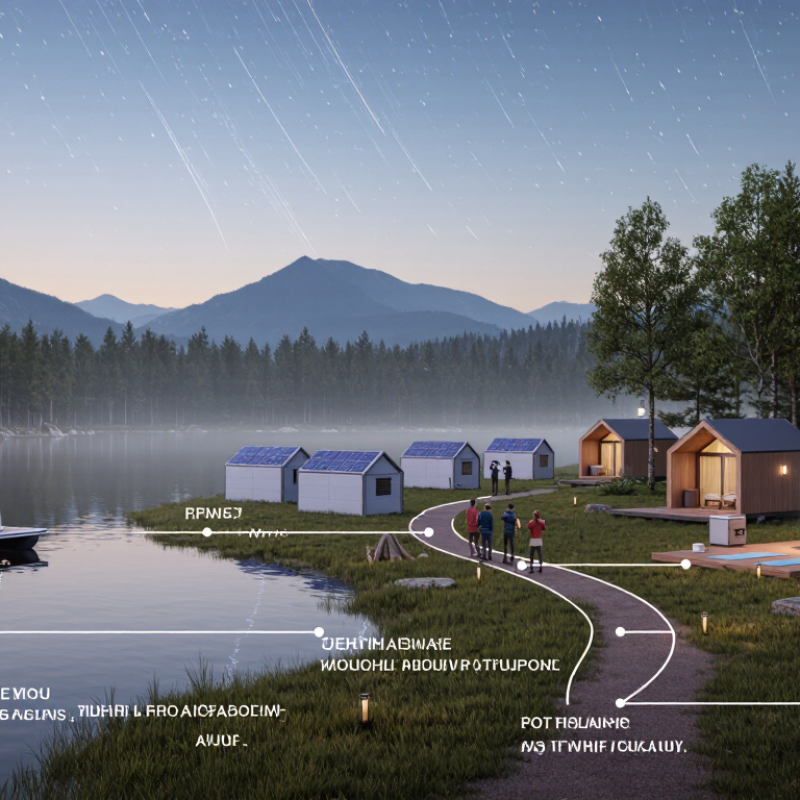
Outdoor camping in 2026 is less about adding gadgets and more about shaping a stay around place, comfort, and choice. The Outdoor Industry Association’s 2024 Outdoor Participation Trends Report counted 175.8 million U.S. outdoor participants in 2023. That broad audience brings varied expectations: newcomers may value gear rentals and clear trails, while experienced campers seek quieter, more remote routes. The shift is not one-size-fits-all. A riverside site with a gear library can feel more innovative than a high-tech tent.
Tips: Try one new element, such as a guided night-sky walk or a tent platform near an accessible trail. Check local fire rules, weather, water access, and quiet hours before booking. Pack a headlamp and warm layers. Small details matter.
Emerging experiences also combine camping with learning: ecology walks, local food, stargazing, and place-based interpretation. KOA’s 2024 North American Camping Report tracks changing camper preferences and a widening audience. Camp operators can respond with flexible stays and clear information about accessibility and environmental practices. Still, novelty can become noise. A packed “wellness” schedule may undermine the quiet guests came for. Some evenings need room for unplanned hours, even if that makes the experience harder to market.
A practical overview of experience formats gaining interest. This is a curated guide, not a ranked market survey; availability and local rules vary by destination.
| Experience | What It Involves | Best-Fit Setting | Typical Requirements | Key Planning Consideration |
|---|---|---|---|---|
| Dark-sky camping and stargazing | Camping in a low-light area and observing stars, planets, meteor showers, or the Milky Way when visible. | Remote campgrounds, deserts, high plateaus, and designated dark-sky areas. | Warm layers, a red-light torch, a star chart or offline sky map, and clear-sky timing. | Check moon phase, weather, access restrictions, and night-sky protection rules. Never look directly at the Sun. |
| Low-impact, regenerative camping | A trip designed to reduce disturbance, follow established trails, manage waste responsibly, and support habitat care where organized locally. | Established campsites, conservation areas, and leave-no-trace backcountry routes. | Reusable supplies, a waste pack-out plan, and knowledge of local fire and wildlife rules. | Follow local guidance: camp on durable surfaces, store food securely, and leave natural and cultural features undisturbed. |
| Accessible outdoor camping | Camping planned around access needs, with suitable routes, facilities, equipment, and support arrangements. | Accessible campgrounds and sites with verified paths, toilets, parking, and activity access. | Advance confirmation of surface conditions, distances, accessible facilities, and emergency access. | Accessibility varies by site; contact the managing authority to verify specific features before booking. |
| Short, low-logistics micro-adventures | A one-night or weekend outdoor stay close to home, often combining a short hike, cycling route, or paddle with camping. | Regional parks, public campgrounds, and established routes reachable without a long journey. | A simple packing list, route plan, weather check, and suitable campsite reservation or permit. | Confirm transport, access hours, water availability, and whether overnight stays are permitted. |
| Packrafting and paddle-to-camp trips | Travel by lightweight inflatable raft on suitable water, then camp at a permitted site along the route. | Calm lakes and appropriate rivers with legal landing and camping access. | A properly fitted personal flotation device, watercraft skills, repair kit, dry bags, and route knowledge. | Water conditions can change quickly. Check flow, wind, hazards, permits, and local boating requirements; avoid water beyond your skill level. |
| Wildlife-focused observation camping | Quietly observing animals from a safe distance, often around dawn or dusk, without feeding or disturbing them. | Wildlife areas and parks where camping and observation are explicitly allowed. | Binoculars, a quiet approach, food-storage equipment, and awareness of local species guidance. | Keep a safe distance, never feed wildlife, and follow closures and food-storage rules to reduce encounters. |
| Four-season and shoulder-season camping | Camping outside the warmest months, with preparation for colder temperatures, shorter daylight, or changeable weather. | Established sites and routes suitable for the season and the camper’s experience level. | Season-rated sleep system, layered clothing, weather-resistant shelter, and backup navigation and lighting. | Check forecasts and closures, plan for early darkness, and avoid exposed terrain during severe weather. |
| Unplugged, low-tech nature stays | A deliberately simple trip focused on outdoor routines such as walking, cooking, reading, and observing nature with limited screen use. | Quiet, established campsites with clear access and a safe way to communicate in an emergency. | Paper map, offline emergency details, basic first-aid supplies, and a charged phone stored for emergencies. | Reduced screen use should not mean reduced preparedness; share an itinerary and check communication coverage. |
The landscape takes center stage. Think of a canvas tent under cedar branches, birds at breakfast, and trails nearby. Plans stay flexible.
It suits people seeking slower mornings, gentle walks, and quiet time beside water. A quiet hour may matter more than a full schedule. Quiet matters.
Expect physical goals, such as guided hikes or paddling. Check the weather, your fitness, and your equipment needs before setting out. A wet sleeping bag can change the whole trip.
Consider how much comfort, solitude, and effort you want. Immersive nature is less structured; wellness focuses on rest, while adventure adds challenges. Be honest with yourself.
Use marked paths and established cooking areas. Bring reusable food containers and a refillable bottle, and pack out every wrapper. Keep noise low after dark.
Not necessarily. Shared wash stations, solar lighting, and trail-care fees can help, but ask how the site handles water, waste, and energy. Details matter.
No. Frequent supply trips to a remote cabin may create more impact than a simple nearby campsite. Distance alone does not tell the whole story.
Check what water and facilities are available, then pack around those needs. I still sometimes bring extra gear; it takes space and can encourage waste. A lighter trip is a useful start.
In 2026, the New Outdoor Camping Experience brings together the restorative appeal of nature and thoughtful new ways to stay outdoors. Smart campsites may offer convenient digital planning, simple site services, and tools that help campers manage their stay while still making time to disconnect. Other options focus on immersive nature, from quiet woodland retreats and wellness-oriented escapes to guided outdoor adventures suited to different interests and abilities.
Sustainability is also central, with low-impact travel practices, careful use of resources, and respect for local environments shaping how campsites are designed and enjoyed. Before setting out, campers can compare locations, facilities, accessibility, weather conditions, and activity levels to find an experience that fits their needs. With balanced planning and a lighter footprint, these emerging camping options make it easier to enjoy the outdoors safely, comfortably, and responsibly.
