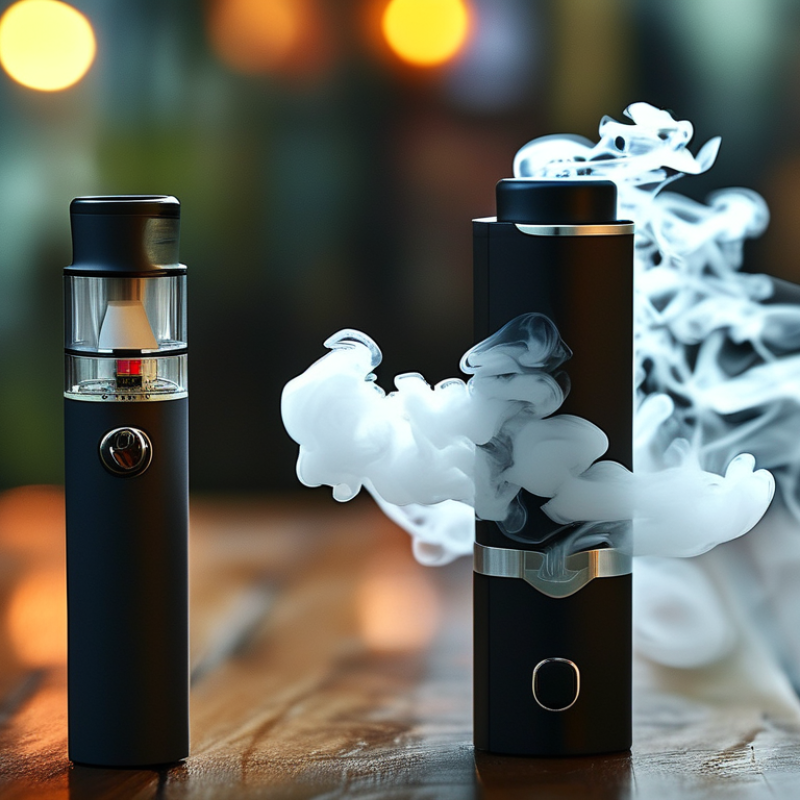
In the ongoing debate over smoking and health, many seek a Safer Option Than Cigarettes. Vaping has emerged as a popular alternative. Individuals often perceive vape products as less harmful than traditional tobacco. However, the truth is complex and requires careful exploration.
While vaping may reduce exposure to certain harmful chemicals, it’s not without risks. Many young people are drawn to vaping due to appealing flavors. Yet, the long-term effects of inhaling vaporized substances remain largely unknown. Public health experts urge caution and highlight the importance of understanding both sides of this issue.
Deciding if vaping is indeed a safer option requires critical thinking. Users must consider their health goals and habits. Consulting reliable sources can provide greater clarity. Ultimately, making an informed choice is essential. Balancing the perceived benefits and potential dangers is key.
Understanding Vaping: Definition and How It Works
Vaping, or the inhalation of vapor produced by e-cigarettes, has become popular in recent years. These devices work by heating a liquid, known as e-liquid, which contains nicotine, flavorings, and other chemicals. The process creates an aerosol that users inhale. Many believe vaping is a safer alternative to traditional smoking, but this perspective requires careful evaluation.
According to a report from Public Health England, vaping is 95% less harmful than smoking traditional cigarettes. This finding is based on the reduced exposure to toxic substances. However, vaping is not risk-free. A study published in the
Journal of Tobacco Control showed that many vapers are still exposed to harmful substances. While e-cigarettes can significantly lower health risks, they can still pose potential dangers.
The appeal of vaping lies in its variety of flavors and perceived safety. However, inconsistent product quality can lead to health risks. Reports have noted cases of lung injury linked to vaping. The Centers for Disease Control and Prevention (CDC) stated that education is essential for both adults and youths about these risks. Understanding vaping and its potential effects on health demands critical reflection.
The Health Risks of Traditional Cigarettes
Traditional cigarettes pose significant health risks to smokers and those around them. They contain thousands of harmful chemicals. Among these, tar and carbon monoxide are especially concerning. These substances damage the lungs and can lead to chronic diseases. Smoking often results in serious conditions like lung cancer, heart disease, and respiratory illnesses.
The impact of secondhand smoke is equally alarming. It can harm non-smokers, particularly children and pregnant women. Exposure to smoke increases the risk of asthma and developmental issues. Many people mistakenly think they can control the harm by reducing smoking frequency. However, even occasional smoking carries risks. Every cigarette smoked can lead to irreversible damage over time.
While some view vaping as a safer alternative, it is crucial to examine these assumptions critically. Vaping may reduce exposure to certain harmful substances, but it is not without its own risks. Users often believe they are making healthier choices, yet the long-term effects remain uncertain. The debate continues, but the truth is that both options involve health risks that warrant careful consideration.
Comparative Studies: Vaping vs. Smoking Cigarettes
Comparative studies on vaping versus smoking cigarettes provide valuable insights into health risks. Researchers have found that vaping typically exposes users to fewer toxic substances compared to traditional cigarettes. Many harmful chemicals, including tar and carbon monoxide, are absent in most e-liquids. This reduction could potentially result in fewer health complications for vapers.
However, the long-term effects of vaping remain uncertain. Studies suggest that while vaping may be less harmful, it is not risk-free. There are concerns about the impact of nicotine addiction and the inhalation of certain chemicals in vape products. Though some people view vaping as a smoking cessation tool, its effectiveness can vary significantly among individuals.
Moreover, some studies indicate a potential transition from vaping to smoking for certain demographics, particularly youth. This alarming trend raises questions about whether vaping truly serves as a safer alternative. The lack of comprehensive long-term data makes it essential to remain cautious about promoting vaping as a healthy choice. Further research is needed to fully understand the implications of vaping on public health.
Is Vaping a Safer Option Than Cigarettes for Your Health?
Public Health Perspectives on Vaping and Smoking
Vaping has been marketed as a safer alternative to traditional cigarettes, but evidence shows it is not without risks. Many people transition to vaping believing it to be a healthier choice. However, research suggests that vaping can still expose users to harmful substances. The long-term health effects of vaping remain largely unknown, creating uncertainty.
Public health experts urge caution. While vaping produces fewer harmful chemicals than cigarette smoke, it still contains nicotine. This addictive substance can harm brain development in young adults. Many users may not consider this risk, viewing vaping as a less harmful behavior. The misconception that vaping is entirely safe creates a troubling reality.
Some studies indicate potential risks including respiratory issues and cardiovascular effects. The sweet flavors attract younger users, raising alarms for public health advocates. There's a gap in understanding the true safety profile of these products. Individuals must critically evaluate the available information and consider their health choices carefully.
Is Vaping a Safer Option Than Cigarettes for Your Health?
| Health Risk Factor |
Cigarettes |
Vaping |
| Nicotine Addiction |
High |
Moderate |
| Cancer Risk |
High |
Lower |
| Respiratory Issues |
High |
Moderate |
| Cardiovascular Effects |
High |
Moderate |
| Secondhand Smoke Risks |
High |
Low |
| Overall Safety |
Poor |
Better |
Regulatory and Safety Considerations for Vaping Products
Vaping has surged in popularity, often perceived as a safer alternative to traditional cigarettes. However, its regulatory landscape is complex. A study by the National Institute on Drug Abuse highlights that approximately 20% of high school students reported using e-cigarettes in 2022. This alarming statistic raises questions about safety among young users.
Regulatory frameworks vary widely across regions. The FDA has begun to establish guidelines, but many vaping products remain poorly regulated. The World Health Organization warns that the long-term health effects of vaping are still largely unknown. A report from Public Health England suggests e-cigarettes could be 95% less harmful than smoking traditional cigarettes. Yet, concerns about product quality persist. Numerous instances of lung injury linked to vaping have caused further scrutiny.
Potential health risks also emerge from the inhalation of vape aerosol. Research indicates that harmful chemicals are often present, even in flavored products marketed as safe. An analysis published in Tobacco Control examined the chemical composition of 100 e-liquids, finding significant levels of toxic substances. In light of these insights, a cautious approach to vaping is necessary. This significant health decision requires ongoing research and consideration of individual circumstances.
FAQS
: Traditional cigarettes contain harmful chemicals like tar and carbon monoxide. They can lead to chronic diseases and serious conditions.
Secondhand smoke can harm non-smokers, especially children and pregnant women. It increases risks of asthma and developmental issues.
Many think reducing smoking will lessen harm, but even occasional smoking carries risks. Each cigarette can cause irreversible damage.
Vaping is often seen as safer, yet it has its own risks. Long-term effects of vaping remain uncertain and require careful consideration.
In 2022, approximately 20% of high school students reported using e-cigarettes. This raises concerns about youth safety.
Regulatory frameworks for vaping vary widely. Many products are poorly regulated, leading to questions about their safety and quality.
Research shows that vape aerosol can contain harmful chemicals, even in flavored products. Users need to be aware of potential risks.
An examination of 100 e-liquids found significant levels of toxic substances. This highlights the need for caution when using e-cigarettes.
Some reports suggest e-cigarettes could be 95% less harmful. However, product quality concerns still persist, warranting careful choice.
The health risks of both smoking and vaping are significant. Ongoing research is needed to understand their impacts better.
Conclusion
The article "Is Vaping a Safer Option Than Cigarettes for Your Health?" explores the complex landscape of vaping and its relative safety compared to traditional cigarette smoking. It begins with an understanding of vaping technology and its mechanisms, explaining how e-cigarettes operate. The health risks associated with conventional cigarettes are highlighted, showcasing the negative impact of tobacco smoke on overall health.
Furthermore, comparative studies present varying findings on the health effects of vaping versus smoking, emphasizing that while vaping may reduce certain risks, it is not without its own dangers. Public health perspectives provide insight into societal attitudes towards vaping, suggesting a shift in perception as an alternative to smoking. Finally, the article addresses regulatory considerations surrounding vaping products, underscoring the need for safety measures. Overall, while vaping may be considered "A Safer Option Than Cigarettes," it remains essential to understand its implications for health and regulation.