


Global Evolution of Maternal and Infant Safety Standards
Analyzing key paradigm shifts in smart household electronics, chemical safety, and child-protective hardware.
Strict Zero-Emission EMF Standards
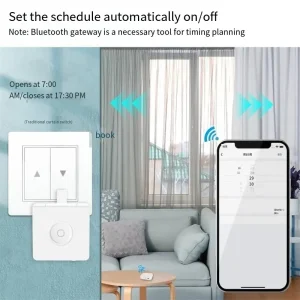
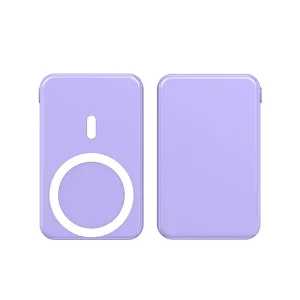
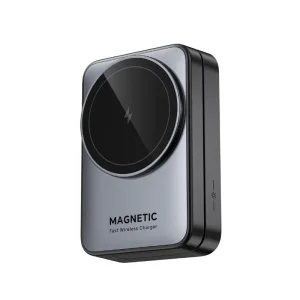
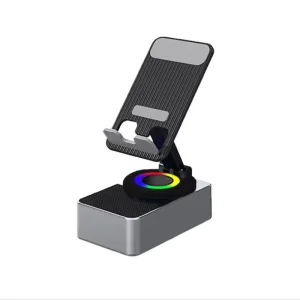
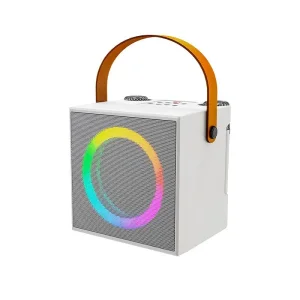
Modern homes are filled with wireless signals and electromagnetic energy. New global infant standards require wireless chargers, Bluetooth sound units, and smart home appliances to maintain electromagnetic radiation at levels close to zero, preventing developmental disruption in infants.
Non-Toxic Food-Grade Plastics
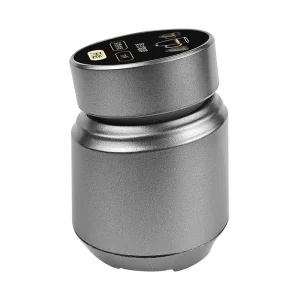
Appliances such as automatic electric milk frothers must be built using 100% BPA-free, food-grade materials. Eliminating phthalates, heavy metals, and toxic monomers ensures that foods and milks processed for young children remain chemically pure and safe.
Acoustic Regulation and Noise Ceilings
Children's sensory systems are highly delicate. Compliance protocols (such as EN71 standards) enforce noise output ceilings on home electronics, audio accessories, and toys, protecting infant eardrums from damage and ensuring sleep environments are kept quiet.
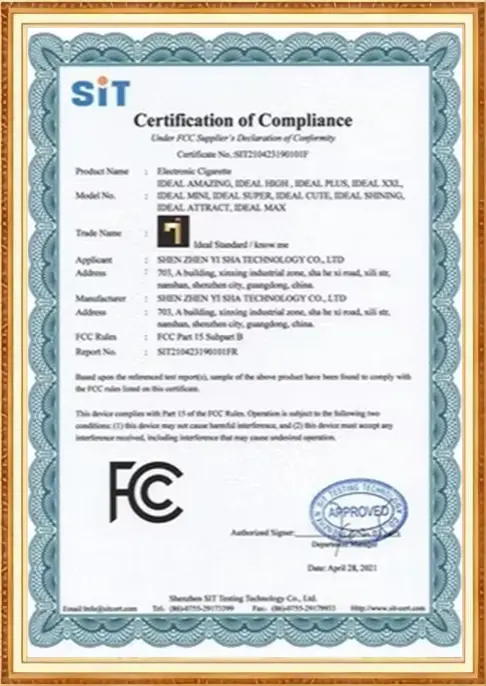
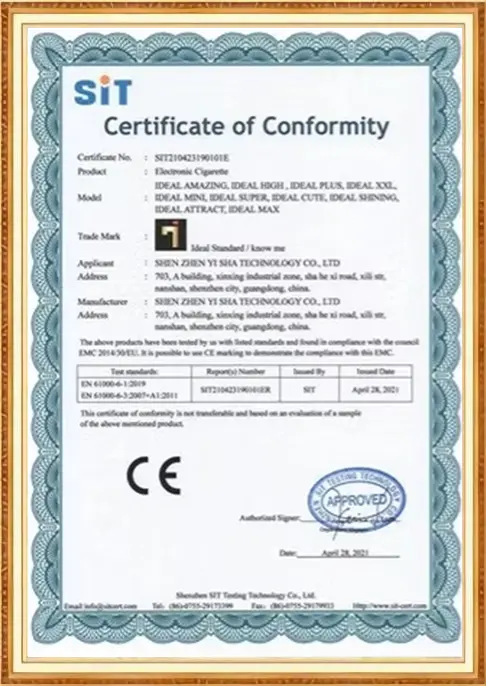
Across the modern export landscape, maternal and infant safety regulations are no longer confined to toys and clothing. Smart home automation systems, Bluetooth peripherals, and electronic wellness alternatives must adhere to a strict matrix of testing. This includes REACH compliance in Europe, Consumer Product Safety Improvement Act (CPSIA) rules in the United States, and strict electromagnetic compatibility (EMC) testing. For international B2B importers, finding a supplier that can guarantee this level of product safety across diverse consumer categories is vital to avoiding regulatory bottlenecks and maintaining customer trust.