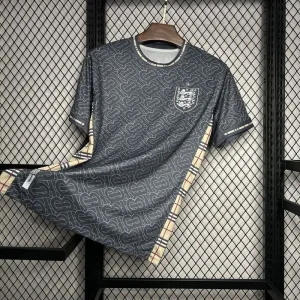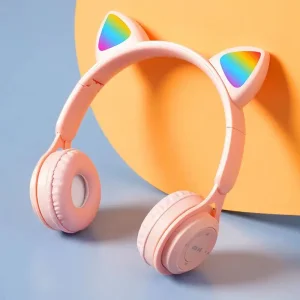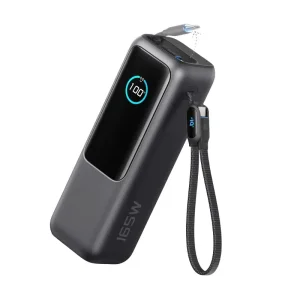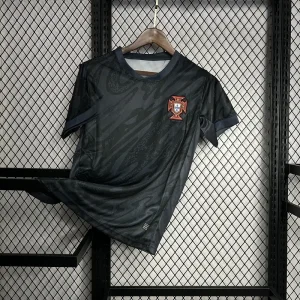
Explore our selected range of custom jerseys, electronic appliances, and modern consumer hardware engineered for global export markets.
The global sports apparel sector has experienced a profound structural paradigm shift. Nostalgia marketing, combined with the intersection of sports fashion (often referred to as "Blokecore") and casual streetwear, has propelled custom retro football shirts from niche collector items into high-volume, mainstream apparel categories. Football jerseys from the 1980s, 1990s, and early 2000s are no longer merely sports apparel; they are cultural artifacts sought after by brand marketers, fan groups, e-commerce drop-shippers, and professional sports retailers worldwide.
For B2B procurement officers and international brands, locating custom retro football shirt suppliers that offer authentic material replication, precise dye sublimation, and historical collar/embroidery design execution is paramount. As demand scales, global apparel manufacturing has adapted, utilizing both traditional knitting heritage and advanced digitized printing technologies to reproduce retro fabrics, such as double-knit heavy polyester and mesh panel configurations, at scale.
Understanding regional requirements is vital for customizing products effectively. Retro football shirts are customized to meet specific demands in different local markets:
In the UK, Germany, and Italy, local supporter clubs request historically accurate replications of domestic league shirts from the 1990s. Heavy cotton-polyester blends, embroidered badges, and felt-applied sponsor logos are essential for authenticity.
In the United States and Canada, custom retro shirts lean heavily toward the "Blokecore" lifestyle aesthetic. Fits are typically relaxed or oversized, featuring vibrant colors, retro typography, and lightweight, breathable fabrics suitable for daily street-wear.
Corporate leagues and regional fan events in Japan, South Korea, and Australia frequently order customized retro jerseys with integrated company colors. Moisture-wicking active dry polyester remains dominant in these warmer regions.
The manufacturing process for high-fidelity retro football shirts requires a delicate balance of vintage aesthetics and modern durability. Cheap replicas often fail under inspection because the structural properties of vintage textile knits are difficult to imitate using standard modern jersey fabrics.
Recreation of historic fabric compositions, including 220-250 GSM heavy jacquard polyester and dual-layer circular knits, ensuring the drape matches the original vintage designs.
Reconstructing period-accurate collar designs, such as engineered V-necks, rib-knit polo collars, and flat-knit cuffs, using modern CNC knitting machinery for dimensional stability.
Using premium Italian inks to replicate the deep colors of classic sponsors, paired with modern embroidery or flocked heat transfers to produce vintage club crests.
China remains the center of global garment manufacturing, providing a highly resilient and integrated industrial ecosystem for custom sports apparel. The textile clusters in Fujian, Guangdong, and Zhejiang leverage decades of vertical integration to streamline sourcing. From yarn extrusion and raw fabric dyeing to pattern making and final packing, every step is optimized within a localized industrial radius.
This concentrated infrastructure enables manufacturers to offers competitive advantages: faster turnaround times, lower Minimum Order Quantities (MOQs), and flexible production scaling. By utilizing advanced automated cutting lines, digitized pattern adjustments, and direct factory-to-port logistics channels, Chinese factories can prototype retro jersey designs within 5 to 7 working days, and deliver high-volume orders globally within 15 days.
Established in 2015, Jinyu has evolved into a global leader in supply chain solutions, maintaining a 20,000-square-meter proprietary manufacturing facility alongside strategic partnerships with over 100 certified suppliers. By coordinating diverse product lines across 50+ countries, Jinyu integrates modern supply chain management with robust quality assurance protocols.
Whether coordinating electronics assembly, lifestyle gear, or custom apparel sourcing, our platform offers a 20% cost advantage, prompt global logistics within 7 to 15 days, and support for in-depth OEM/ODM customization. This comprehensive operational blueprint ensures reliable execution and compliance across international markets.
Navigating cross-border trade requires compliance with regional safety, environmental, and intellectual property standards. The premium sports textile industry adheres to several key international baselines:
Guarantees that all components of the retro jerseys, from polyester fabrics and sewing threads to buttons, zippers, and screen prints, are free from harmful chemical levels.
Certifies the use of recycled materials in our eco-friendly jersey options, verifying recycled content through third-party tracking from source to final product.
Ensures that our partner factories operate under ethical conditions, maintaining fair wages, safe workplaces, and lawful working hours for all employees.
Carys M. (London, UK)
"The reproduction quality on our fan club jerseys was exceptional. The fabric weight and structured collar matched the original 1996 design perfectly. Delivery arrived within 12 days, and our members are highly satisfied."
Jesse W. (Paris, France)
"Sourcing custom retro sports apparel is complex due to fabric specificity. This team successfully matched the double-knit jacquard patterns. The customer service was responsive, assisting with several pattern iterations."
Petrie L. (Milan, Italy)
"We transitioned our custom retro merchandise production here last year. Production lead times have remained stable under 20 days, and the color matching for our sublimation printing has been consistent."
Take a virtual tour of our factory facilities, showcasing our automated fabric cutting, high-density embroidery machinery, and final quality control operations.
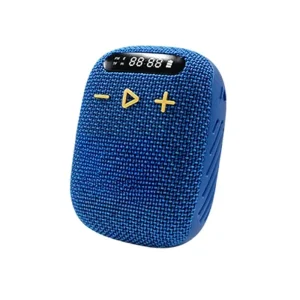
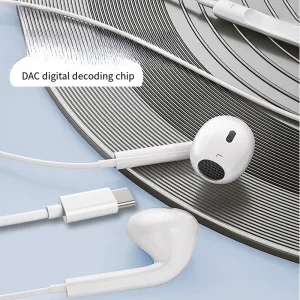
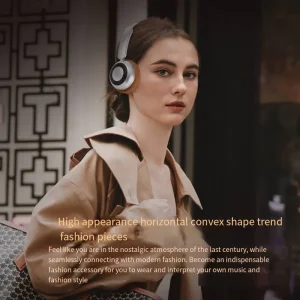
Browse our extended product categories, including portable media accessories, customized headphones, and smart lighting solutions.

We maintain strict compliance with international standards, backed by certified manufacturing processes.