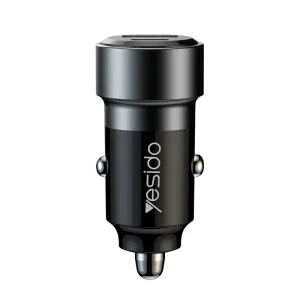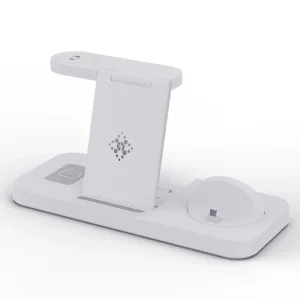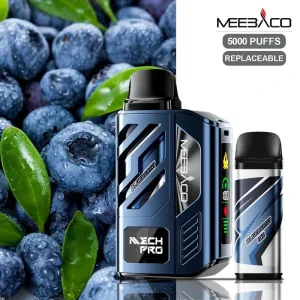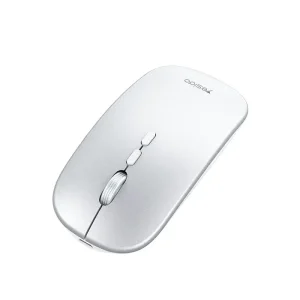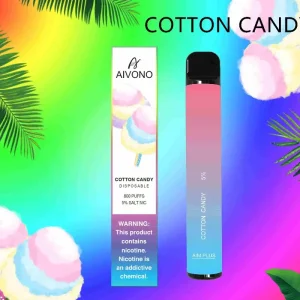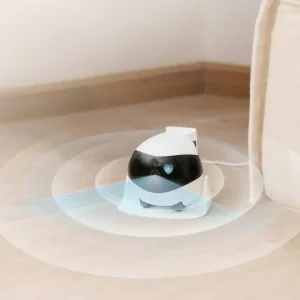
Explore our core catalog, bridging high-performance electronics, heating coils, and industrial-grade micro-atomizer components.
In the rapidly advancing landscape of Level 4 and Level 5 autonomous driving, vehicle safety is entirely dependent on the continuous integrity of its sensor suite. Autonomous vehicle arrays rely on LiDAR (Light Detection and Ranging), RADAR, and high-resolution optical cameras to scan and map their surroundings. However, atmospheric disruptions—such as fog, dense humidity, frost, and particulate accumulation—pose a catastrophic challenge to optical sensors. Condensation on these external surfaces acts as a refractive barrier, deflecting laser beams and clouding camera lenses. Without advanced mitigation mechanisms, self-drive vehicles are subject to critical failures or "sensor blindness."
This is where Custom Self-Drive Car Spare Fogging Systems and sensor defogging modules come into play. Integrating thermal evaporation, high-frequency ultrasonic micro-vibrations, and specialized micro-fogging clean cycles, these systems prevent atmospheric deposition and rapidly clear visual obstructions. To support these autonomous vehicle fleets, global OEMs and aftermarket distributors require custom manufacturers who can produce highly resilient, precision-engineered spare fogging parts.
Utilizing low-wattage, high-efficiency micro-heating elements that maintain sensor shroud temperature just above dew point, preventing fog formation without causing thermal distortion in the optical pathway.
Applying high-frequency ceramic vaporization cores to deploy micro-droplets of cleaning agents or anti-fog solvents, clearing dirt and oils with minimal fluid consumption.
Intelligent control logic boards that interface with the vehicle's Central Control Unit (CCU) via CAN bus or LIN bus to automatically trigger active defogging based on ambient temperature and relative humidity metrics.

Established in 2015, Jinyu has evolved into a global leader in 3C electronics and vaping device supply chain solutions. Leveraging our core expertise in precision heating micro-coils, ceramic micro-atomizers, and complex electronic assemblies, we design and manufacture state-of-the-art thermal vaporization systems and custom self-drive car spare fogging modules. With our 20,000-square-meter proprietary manufacturing facility and strategic partnerships with over 100 certified suppliers, we deliver end-to-end production capabilities for clients across 50+ countries.
Whether optimizing heat distribution arrays for automotive ADAS optical sensors or producing high-durability vaporizers, our ISO-certified facilities ensure that every component complies with strict automotive safety guidelines (IATF 16949 equivalents) and electronic hardware standards.
Industrial scale procurement of self-drive car spare components—especially active fogging and defogging spares—demands a rigorous focus on component reliability and cross-compatibility. Autonomous vehicle fleets operation is expensive; any downtime due to a failed lens heater or clogged atomizer nozzle directly translates to lost revenue. As exporters and manufacturers, our engineering focuses on delivering parts that fit modular replacement architectures.
Globally, procurement departments analyze these components across four primary metrics:
Jinyu Information Technology addresses these demands by combining advanced metal-alloy deposition techniques and thin-film heating technologies from our 3C electronics division to produce robust, automotive-ready components that meet the requirements of modern B2B fleet logistics.
Our research and development pipeline focuses on bridging the gap between electronic consumer goods and industrial automotive automation. The core mechanics of a custom self-drive car spare fogging heater relies on thin-film conductors or ceramic thermal components.
Integrating Indium Tin Oxide (ITO) and metallic nanowire coatings directly onto the sensor's glass housing to achieve transparent, uniform heating across the field of view.
Adapting high-purity porous ceramics from our vaping technology lines to create stable, anti-clogging micro-dispensers that eject pressurized mist to wash contaminants.
Embedding temperature sensors (NTC thermistors) directly into the heating path, facilitating real-time closed-loop temperature control to avoid overheating.
Providing custom plug-and-play electronics interfaces, enabling direct communication between our defogging modules and the vehicle's onboard computer.
Looking forward, the roadmap features the integration of piezoelectric transducers that can oscillate at high frequencies to physically shake off water droplets and ice crystals instantly, complementing the thermal fogging structures. By manufacturing both the mechanical assemblies and the micro-electronic controllers in-house, Jinyu achieves a level of quality and price competitiveness that traditional tier-1 automotive suppliers struggle to match.
Underpinning our specialized automotive line is a comprehensive global consumer electronics and micro-vaporizer business.
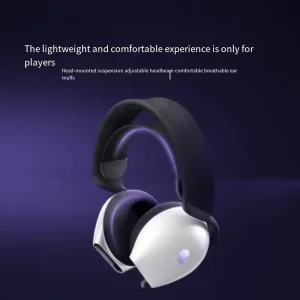
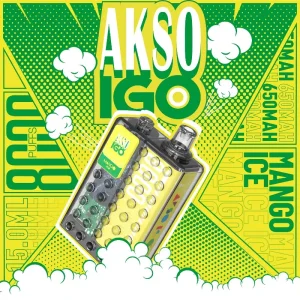
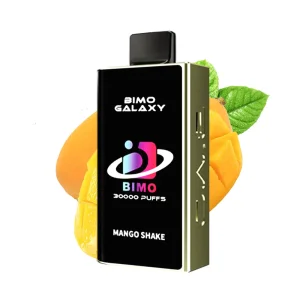
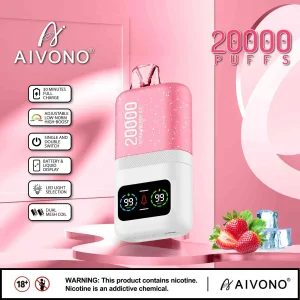
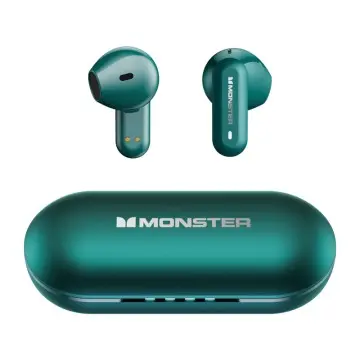
One-stop shopping for 3C electronic products and compliant e-cigarettes! Our 20,000-square-meter factory provides open, pod, and POD systems, all of which meet local compliance standards. We concurrently supply TWS earphones, fast charging accessories, and other high-volume 3C products at prices approximately 20% lower than typical market baselines. Global logistics are fulfilled within 7 to 15 days, with extensive support for OEM/ODM in-depth customization. [WhatsApp consultation to enjoy the first order shipping subsidy]
Step inside our high-precision production environment where automated systems inspect electronic assemblies and fogging units.
The commercial deployment of self-drive vehicles across North America, Europe, and the Asia-Pacific region is navigating localized environmental challenges. While autonomous trucks operating in flat deserts experience minimal atmospheric interference, fleets running in winter climates encounter persistent icing and thick fog. In response, global freight operations are upgrading their optical housing sensors with smart, integrated defogging heaters.
Currently, manufacturers face a significant hurdle: cross-platform compatibility. There is no universal standard for LiDAR lens shapes or camera housing mounts. Consequently, a generic defogging kit will not perform adequately. The market demands custom fogging/defogging spare exporters capable of modifying physical geometry, electrical wiring, and fluid spray trajectories to align with specific fleet profiles.
To tackle this, Jinyu has implemented a rapid prototyping pipeline. By using modern CAD modeling, thermal simulation software, and CNC machining, we can move a custom housing design from drawing board to functional sample in less than two weeks, allowing swift iterations for our logistics partners.
Over 5,000 5-star ratings across our diversified supply chain operations. Reliability is our core promise.

Every component manufactured is subject to meticulous quality control, complying with CE, RoHS, and FCC protocols.
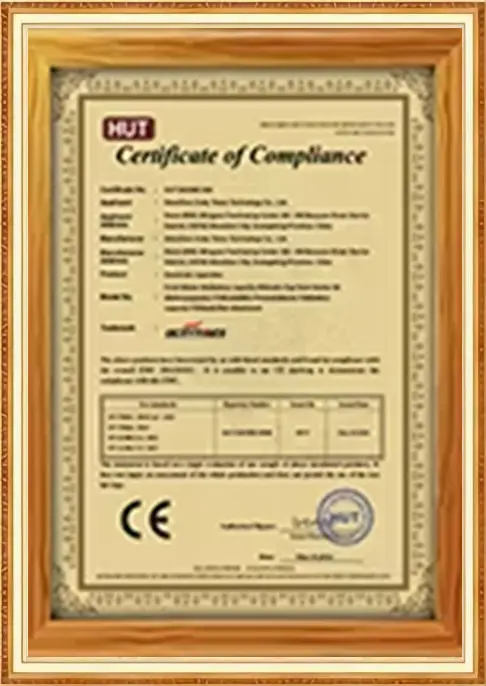
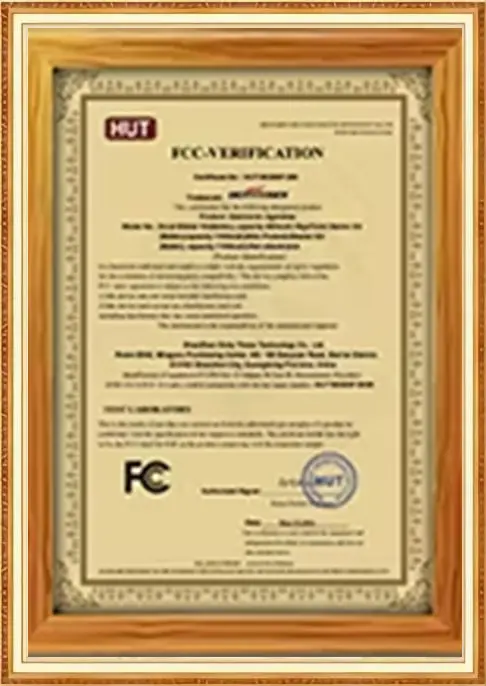

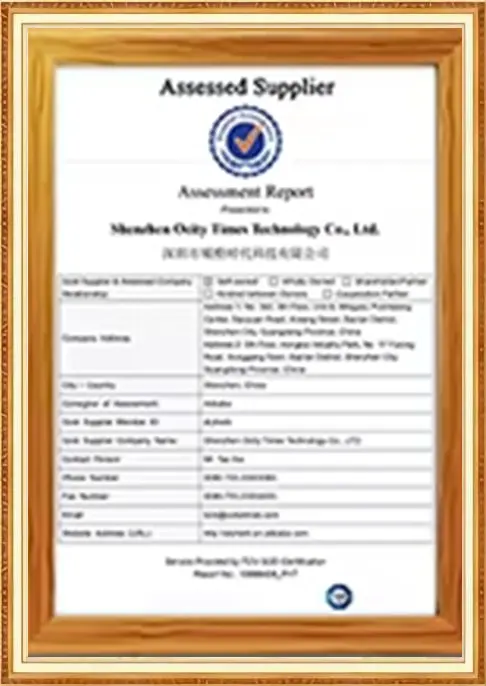
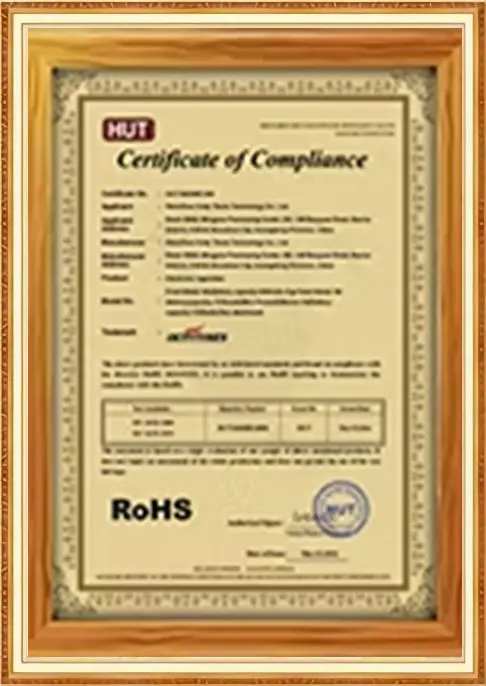
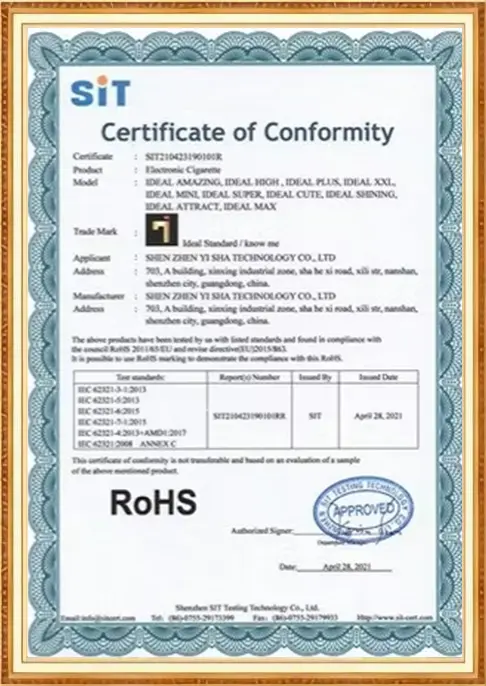
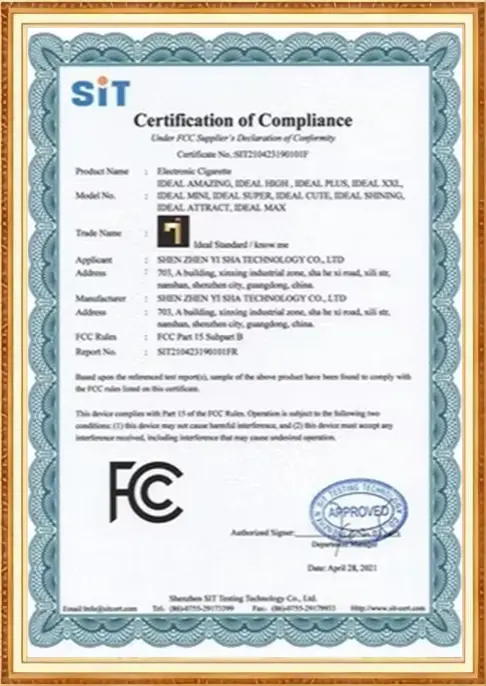
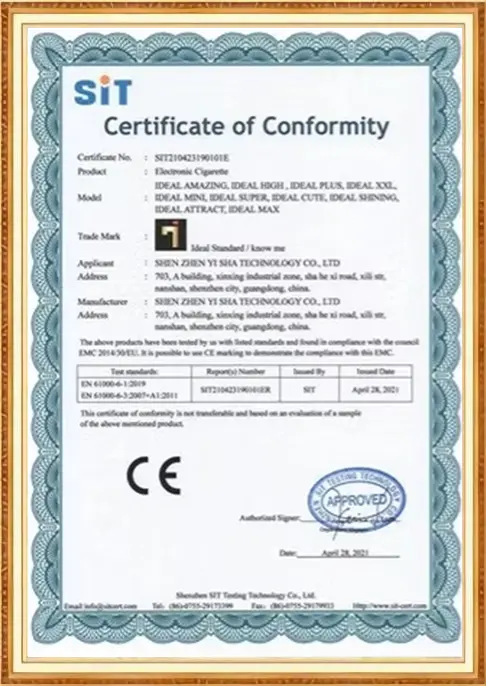
Building a global supply chain for safety-critical components requires more than factory capacity. It calls for a robust regulatory and compliance infrastructure. At Jinyu Technology, we design all electronic sub-assemblies to satisfy CE, RoHS, and FCC compliance frameworks, ensuring straightforward clearance through international customs.
Our logistics model features partnerships with specialized dangerous goods and high-tech equipment carriers, enabling delivery within 7 to 15 business days to destination ports. Furthermore, our engineering and procurement desks provide localized support for customers in Europe, North America, and Southeast Asia. We supply comprehensive technical documentation—including schematics, MTBF reports, thermal simulation models, and materials certifications—facilitating fast integration into automotive safety documentation.
Answering standard questions regarding procurement cycles, performance metrics, and customization capabilities.
Explore the remainder of our global logistics catalog, featuring smart systems and accessories.