Industry Whitepaper: The Evolution of USB-C Audio Architectures for the iPhone 16 Ecosystem
1. The Technical Shift in iPhone 16 Connectivity
Historically, audio accessory design relied either on proprietary Lightning connectors containing dedicated authorization coprocessors or on standard analog headphone jacks. The iPhone 16 series utilizes standard high-bandwidth USB-C interfaces, shifting the digital-to-analog converter (DAC) and amplifier components directly into the headphone module or connector assembly itself.
For custom headphone factories, this implies integrated circuit (IC) placement within the Type-C housing. The audio chip must natively support high-resolution audio (typically 24-bit/48kHz or 24-bit/192kHz) to utilize the full capabilities of Apple's Lossless Audio streams. Our current engineering roadmap relies on highly optimized IC packages (featuring ultra-low active power drain, below 15mA) to prevent battery degradation on the host device.
| Feature Parameter | Legacy Lightning Interfaces | Next-Gen USB-C (iPhone 16 Compatible) |
|---|---|---|
| Audio Transmission Format | Digital Stream (Adaptive Rate) | UAC 2.0 Digital / Isochronous Stream |
| Maximum Resolution Support | 24-bit / 48 kHz | Up to 32-bit / 384 kHz (Hardware Dependent) |
| Maximum Power Draw Limit | Under 100mA (restricted by coprocessor) | Up to 3A pass-through (power delivery compatible) |
| DAC/AMP Housing Area | Inside host device / Inline Dongle | Embedded in Type-C plug assembly |
2. Localized Application Scenarios
Custom USB-C headphones are engineered with targeted features to serve specific local user intents and environments:
- High-Noise Transit & Commute: Integration of hybrid Active Noise Cancelling (ANC) algorithms directly within the USB-C chip design. This prevents latency-induced feedback loops common in wireless models while maintaining crisp sound pressure levels in subway and airport environments.
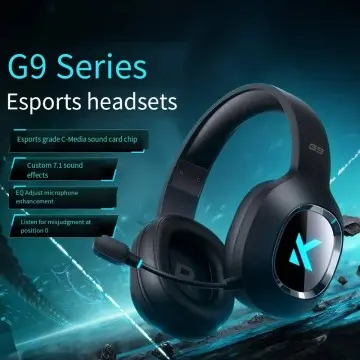
- Enterprise Call Centers & Remote Workspaces: Custom USB-C headsets optimized with Environmental Noise Cancellation (ENC) dual-microphone arrays. These filter voice signals locally within the hardware layer, ensuring compatibility with virtual desktop environments without driver installations.
- Low-Latency Mobile Gaming: Because wireless transmission introduces a minimum latency of 40ms to 120ms, wired USB-C audio configurations are critical for competitive gamers on iOS, reducing audio latency down to absolute zero.
3. Technical Roadmap and Future Outlook
As we look ahead, our design pipelines are preparing for advancements in spatial audio processing and power management:
Spatial Audio Integration: Leveraging head-tracking algorithms computed on-chip, enabling immersive soundstages without taxing the phone's CPU resources.
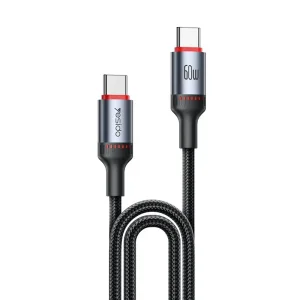
USB-C Audio Pass-Through Charging: The development of custom y-splitter configurations and multi-function adapters that allow simultaneous 60W power delivery and digital audio output, solving the single-port limitation of modern devices.
4. China Factory Supply Chain Resilience & Efficiency
Our manufacturing hub in Shanghai and strategic alliances across Guangdong leverage the ultimate in cluster efficiency. Jinyu Information Technology maintains a 20,000-square-meter state-of-the-art facility utilizing automated surface mount technology (SMT) lines. This level of automation guarantees that DAC chips, resistors, and capacitors are mounted to the miniature USB-C PCB substrate with defective rates below 10 PPM (parts per million).
Vertical integration allows us to procure high-purity copper wiring, TPE/Kevlar cable insulation jackets, and precision alloy housings within a 50-kilometer radius. This geographic concentration of resources translates directly to a 20% cost reduction compared to regional manufacturing hubs globally, with lead times of just 7 to 15 days for global logistics delivery.
5. Global Business Standings & Compliance
As wholesale suppliers to more than 50 countries, we maintain strict adherence to international environmental and safety standards:
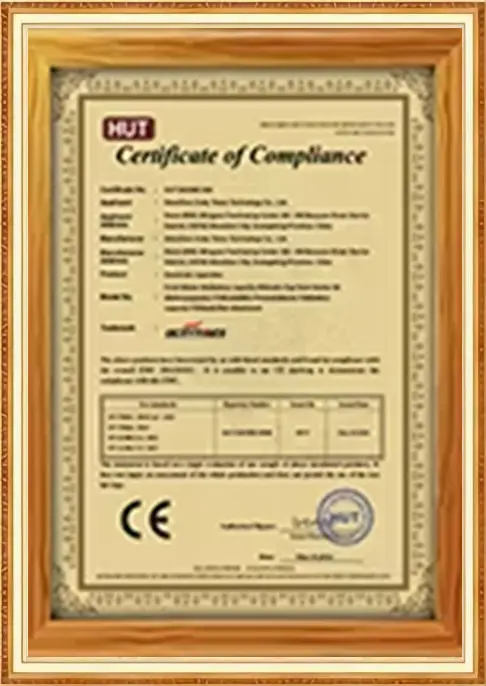
- CE & RoHS Certification: Ensuring all custom plasticizers, lead-free solder pastes, and electronic components comply fully with European Union hazard regulations.
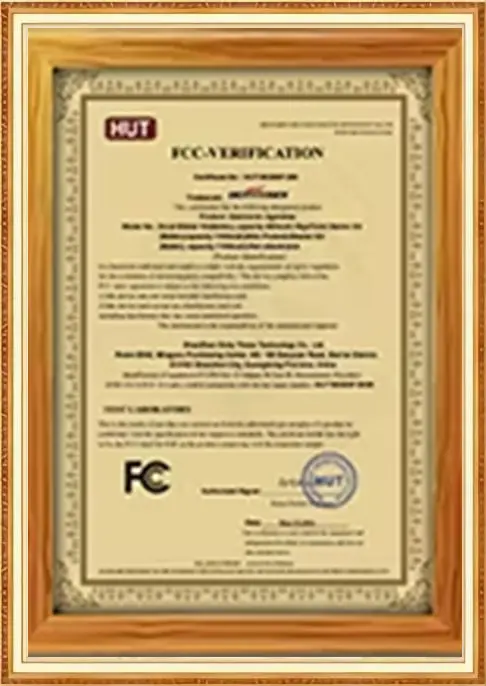
- FCC & Electromagnetic Compatibility: Designing shielded connectors that minimize electromagnetic interference with cellular, Wi-Fi, and Bluetooth radios on the iPhone 16.
- Extended Producer Responsibility (EPR): Active recycling schemes for zero-waste electronics production.