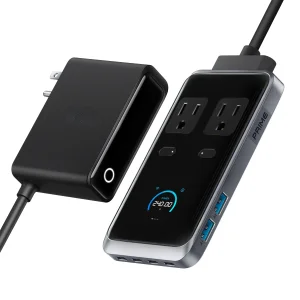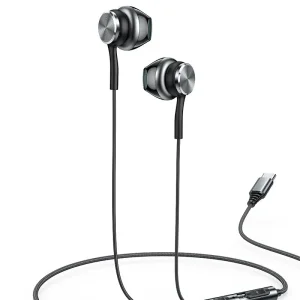
Explore our leading catalog featuring high-precision components and products designed with advanced structural materials.




In modern industrial manufacturing, the pursuit of strength-to-weight optimization has ceased to be an exclusive domain of aerospace engineering. As structural demands shift toward higher durability, thermal efficiency, and electromagnetic isolation, aircraft-grade lightweight materials—specifically 7000 and 6000 series aluminum alloys, titanium Grade 5, and advanced carbon-fiber composites—have become foundational in high-performance consumer hardware, vaping technologies, and micro-electronics.
For global OEMs/ODMs, integrating these premium materials requires deep technological proficiency. It is not merely a matter of sourcing raw aluminum; it involves strict molecular tempering, precision computer numerical control (CNC) milling, and advanced surface passivation (such as hard-anodizing and physical vapor deposition). This guarantees that finished consumer items maintain structural integrity under extreme thermal fluctuations, chemical exposure, and mechanical impacts.
The contemporary electronics ecosystem faces a double challenge: consumer products must become increasingly compact and lightweight while offering superior computing power and battery capacities, which generate higher operational heat. Aircraft-grade alloys act as both structural skeletons and passive heat sinks. Their high thermal conductivity ensures efficient thermal dissipation without the need for heavy, power-consuming active cooling systems.

Established in 2015, Jinyu has evolved into a global leader in 3C electronics and vaping device supply chain solutions. With our 20,000-square-meter proprietary manufacturing facility and strategic partnerships with over 100 certified suppliers, we deliver end-to-end production capabilities for clients across 50+ countries.
The global demand for aircraft-grade lightweight structural components is experiencing an unprecedented surge. Recent market analyses estimate that the demand for light alloys in consumer and telecommunication applications will witness a compound annual growth rate (CAGR) of over 8.5% through 2030. This growth is driven by the shift towards electrification, wearable diagnostic devices, and micro-machined enclosures that require precise electromagnetic shielding.
In response to these market changes, forward-thinking manufacturers are moving beyond traditional alloy castings. Modern requirements call for integrated CNC fabrication, precise tooling, and cleanroom anodizing facilities. By establishing advanced manufacturing standards, organizations can deliver durable, aesthetic components that meet strict global regulatory frameworks.
The next decade of lightweight materials development will be dominated by several technological milestones:
Providing high-precision hardware systems, pods, wireless audios, and customized solutions with up to 20% cost efficiency.

CR-20 Retro Metal Headset 5.4

MONSTER XKT25 HiFi Gaming Headset

MCHOSE G9Pro Low Latency Headset

Flagship Noise-Canceling Headset
Watch our state-of-the-art facility showcase advanced metal stamping, assembly processes, and CNC quality verification workflows. Our visual inspections verify strict adherence to structural requirements.

Every production batch undergoes strict quality gates, from spectroscopic verification of raw materials to coordinates inspection of finished components.
Operating a global supply chain requires adherence to regional and international standards. For lightweight metallic and composite products, compliance with environmental regulations such as RoHS (Restriction of Hazardous Substances) and REACH is critical. These policies ensure that trace elements, including lead, mercury, or cadmium, remain within safe limits.
Jinyu Technology operates in strict alignment with regional logistical requirements and international safety codes. By coordinating with shipping agents across the Americas, Europe, and Southeast Asia, we maintain delivery schedules of 7 to 15 days. This logistical pipeline is backed by localized technical support to assist our regional clients with import documentation, duty clearances, and compliance verification.
Where are lightweight aircraft-grade structural alloys deployed today?
Expanding consumer technology horizons with flexible, high-compatibility media applications.
Find answers to common questions about aircraft-grade materials, mechanical properties, and manufacturing options.
See why global brands and procurement divisions rely on our quality standards and manufacturing services.
"The materials supplied for our headset frame prototypes were exceptional. Precision-cut, lightweight aluminum with excellent anodization quality. We highly recommend their supply chain solutions."

"Consistent surface finishes and tolerances within ±0.01mm. Delivery was handled swiftly and arrived on schedule. A reliable supply partner."
"Excellent material properties that match all structural testing specifications. Their logistical support simplified our customs clearances."
Our quality verification processes and facilities comply with international manufacturing guidelines.
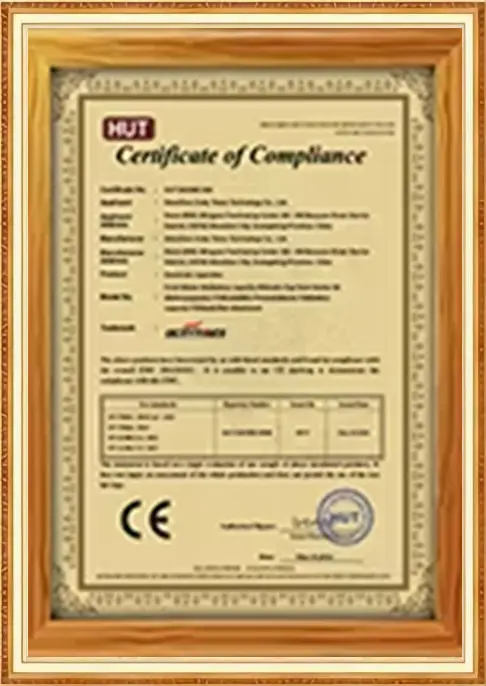


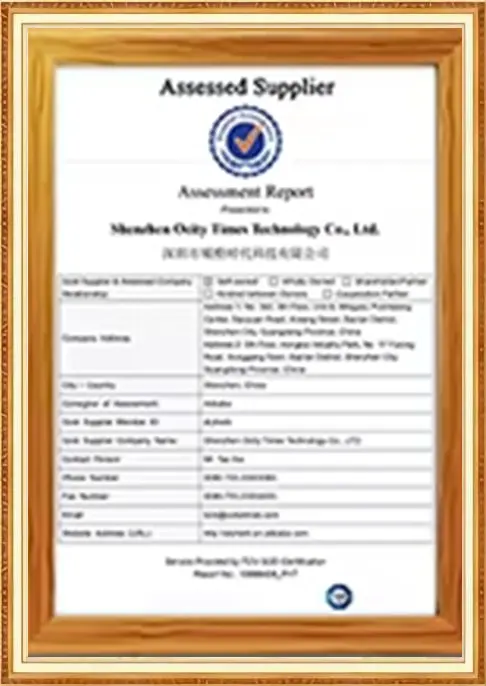
Review our selections of functional hardware and consumer electronics built for durable performance.