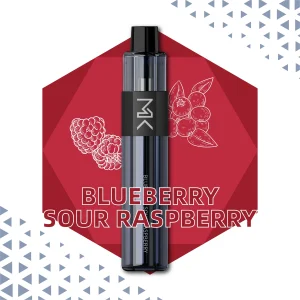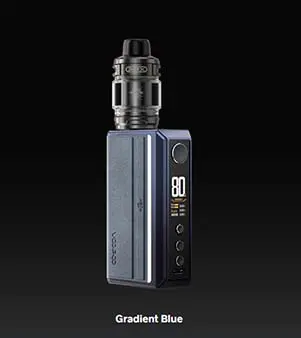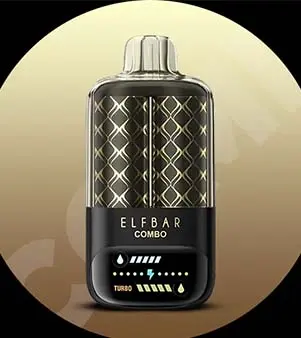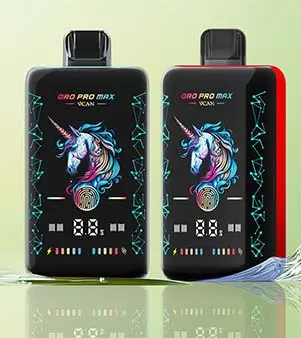
Explore our flagship high-performance consumer technologies, micro-electronic systems, and premium vaporization devices engineered for global export compliance.
The foundational debate regarding whether e-cigarettes (vapes) represent a superior alternative to combustible tobacco cigarettes centers on the physics of heat administration. Combustible cigarettes burn processed tobacco leaf at temperatures reaching 600°C to 900°C during puff inhalation. This uncontrolled thermal oxidation triggers complex chemical reactions, resulting in the generation of tobacco smoke containing more than 7,000 distinct chemicals. Of these compounds, at least 70 are recognized carcinogens by the International Agency for Research on Cancer (IARC), including tobacco-specific nitrosamines (TSNAs), volatile organic compounds (VOCs) such as benzene and formaldehyde, carbon monoxide (CO), and heavy metals.
Conversely, modern e-cigarettes manufactured by leading industrial OEMs operate on low-temperature vaporization technology. Liquid formulations containing vegetable glycerin (VG), USP-grade propylene glycol (PG), pharmaceutical-grade nicotine, and food-grade flavorings are atomized via micro-engineered coils (ceramic or mesh alloy structures) at temperatures between 180°C and 260°C. Because this thermal threshold remains below the activation energy required for pyrolysis, the resulting emission is an aerosol rather than smoke. The UK Office for Health Improvement and Disparities (formerly Public Health England) continues to maintain that vaping is at least 95% less harmful than smoking cigarettes, primarily due to the near-total elimination of carbon monoxide and combustion-derived carcinogens.
"By removing the combustion process, vaporizing hardware eliminates the generation of tar and carbon monoxide—the primary drivers of cardiovascular and chronic obstructive pulmonary diseases (COPD) in habitual smokers." — Clinical Research Summary
From a user intent and cessation success perspective, the efficacy of harm reduction is intrinsically linked to nicotine delivery kinetics. Traditional combustible cigarettes deliver nicotine rapidly to the brain—typically within 10 to 20 seconds of inhalation—due to the alkaloid nature of freebase nicotine delivered via smoke particles. Early generations of e-cigarettes utilizing freebase nicotine formulations struggled to replicate this kinetic curve, leading to high smoking-relapse rates.
The invention and subsequent commercialization of protonated nicotine formulations, commonly known as nicotine salts (created by combining freebase nicotine with organic acids such as benzoic or citric acid), revolutionized the market. Nicotine salts have lower pH levels, reducing throat irritation at high concentrations and facilitating rapid absorption across the pulmonary capillary bed. This pharmacokinetic profile replicates the rapid spike and subsequent decay of nicotine levels achieved by smoking, providing optimal craving suppression for individuals transitioning away from combustible tobacco.
Established in 2015, Jinyu has evolved into a global leader in 3C electronics and vaping device supply chain solutions. With our 20,000-square-meter proprietary manufacturing facility and strategic partnerships with over 100 certified suppliers, we deliver end-to-end production capabilities for clients across 50+ countries.
We offer one-stop shopping for high-demand consumer electronics and fully compliant, certified e-cigarettes. Operating open, pod, and closed POD systems, all items meet rigorous international validation standards. Through strategic supply chains, we provide simultaneous fulfillment of TWS headsets, fast chargers, and smart electronic accessories at highly competitive rates.

For wholesale distributors and retail brand owners, device failure rates constitute a critical business metric. Vaporizer technology has bifurcated into two dominant heating topologies: organic cotton wicks and porous ceramic heating elements.
Traditional organic cotton wicking material delivers strong flavor profiles but is prone to dry-burning when the liquid supply is low, releasing harmful aldehydes like acrolein. Porous ceramic coils, manufactured by sintering specialized silica-based matrices, offer structured microscopic capillaries. This ensures uniform e-liquid distribution, high heat resistance, and precise thermal control. By utilizing ceramic coil designs, manufacturer fault rates are reduced to less than 0.1%, protecting brand equity for wholesale clients.
Quality assurance protocols within leading manufacturing facilities are governed by ISO 9001 (Quality Management Systems) and ISO 14644 cleanroom standards. Class 100,000 cleanrooms are mandatory for the formulation, mixing, and automated filling of cartridge pods.
Furthermore, compliant hardware must undergo rigorous Inductively Coupled Plasma Mass Spectrometry (ICP-MS) analysis to certify the absence of heavy metals—specifically lead, cadmium, arsenic, and nickel—which can leach into liquid matrices from substandard solder joints or heating filaments. Ensuring compliant metallurgy is essential for passing FDA PMTA (Premarket Tobacco Product Application) and European TPD (Tobacco Products Directive) audits.
Synchronous high-volume manufacturing lines producing compliant vaporization devices, high-end audio, and integrated 3C electronics.
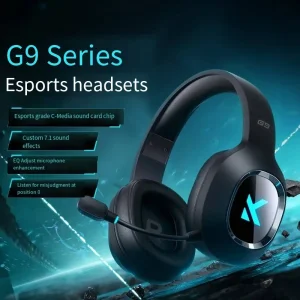
Integrated Bluetooth 5.4 protocols, spatial audio algorithms, and active noise cancellation technologies with extended battery life.
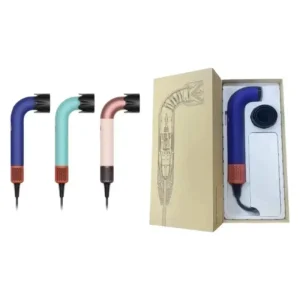
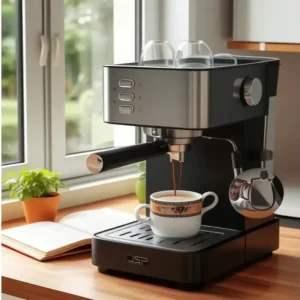
Dual-purpose smart electronics, high-speed anion personal care devices, portable smart appliances, and USB-rechargeable units.
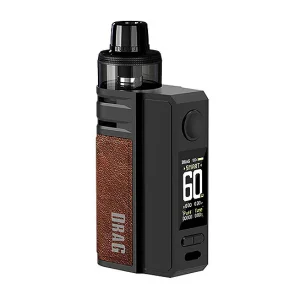
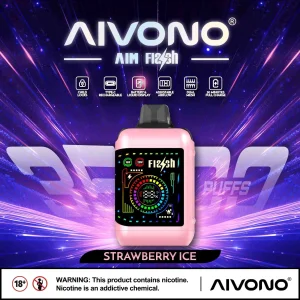
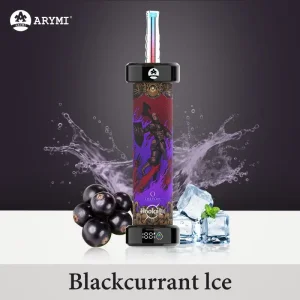
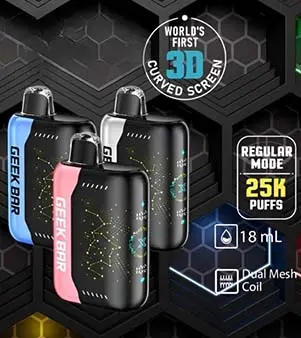
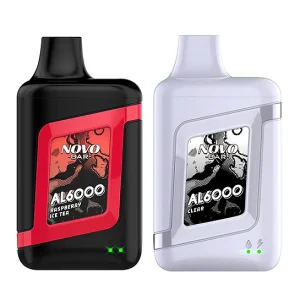
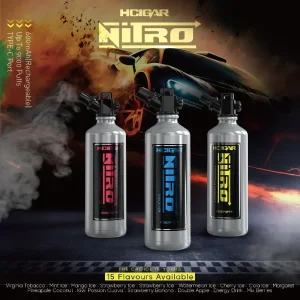
Porous ceramic heating platforms, nicotine salt nebulizers, adjustable pod-mod configurations, and disposable systems reaching up to 40,000 puffs.
High-efficiency content delivery architectures, multilingual support, and UHD video streaming services optimized for global telecom providers.

Watch our automated precision SMT lines, food-grade liquid bottling suites, and high-speed assembly facilities. We execute rigorous environmental testing, battery cycle drop tests, and quality analysis to verify compliance with US, European, and Middle Eastern regulations.
Our manufacturing lines operate under standard GMP cleanroom parameters to ensure trace-contaminant prevention across all product batches.
High-performance digital video architectures designed for massive concurrent volume access.
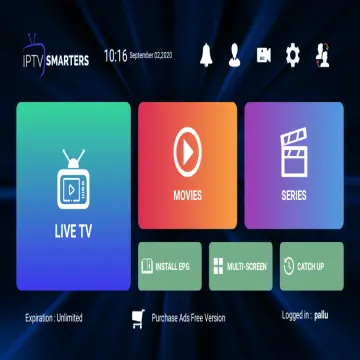
We provide high-quality IPTV subscription options to distributors and system integrators worldwide, enabling clear video streams at competitive rates. Deliver cinematic entertainment, sports events, live news, and international feeds to smart TVs, mobile setups, and home computers.
The global vape manufacturing landscape is strictly regulated. In the United States, the Food and Drug Administration (FDA) monitors the commercialization of all vaping devices through Premarket Tobacco Product Applications (PMTAs). PMTAs require comprehensive toxicological assays, battery cycle tests, and environmental evaluations.
In the European Union, the Tobacco Products Directive (TPD) enforces a maximum nicotine concentration of 20mg/mL and limits cartridge volumes to 2mL. High-volume manufacturers must engineer specialized product lines tailored to local frameworks, utilizing compliant e-liquids and child-resistant locking systems.
The environmental footprint of disposable vaping devices has become a focus of regulatory and public debate. The global vaporization sector is shifting toward eco-conscious product design. Industry leaders are developing biodegradable PLA (Polylactic Acid) casings and specialized closed-loop recycling networks to mitigate lithium-ion battery waste.
Technologically, the next generation of vaporization systems integrates micro-Bluetooth components and biometric child-locks to prevent access by minors. Dynamic voltage tracking and smart temperature adjustment preserve flavor profiles, ensuring consistent aerosol delivery with lower battery consumption.
 1,223 reviews on Trustpilot

"Ripple is killing it with the plant-based puffs! I love that it’s all natural herbal blends. You can tell Ripple is a family business because they go the extra mile every time, from the lil' stickers with your order to the engagement on socials-it’s nice to talk to a human the other end. Oh, they also have a recycling scheme. Gotta love an eco-conscious company 👏🏻 Ripple out here making waves 🌎😍"
"SO WORTH IT! i love ripple; power (mint) is my fav flavour, using my ripple has really helped my anxiety & it’s overall just a nice experience - love that it’s recyclable too."
"This company is very down to earth and fun, but not only that the product is really impressive. Easy to use, and satisfying. I am recovering from a cannabis addiction, and whenever I’m feeling a craving I just reach for my ripple and feel the relief. Healing takes time, and patience. I will take all the support I can get! Thanks, Ripple. 😊"
"Ripple was recommended to me by a friend, because I was becoming super addicted to the numerous nicotine bars out there ! Literally chuffing on them 24/7😳, until l used these ripple 0% nicotine puffs, my favourite aroma was the passion fruit one (happy)😍, l quickly replaced my habit with ripple and now I don’t vape at all!"
"Really nice and smooth to use, you can clearly tell it's natural unlike those filthy chemicals found in other products. Ripple considered their customers and provided an amazing experience!"
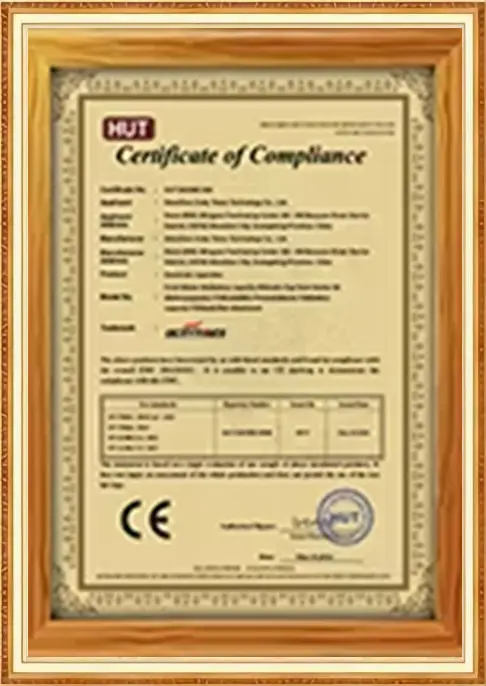
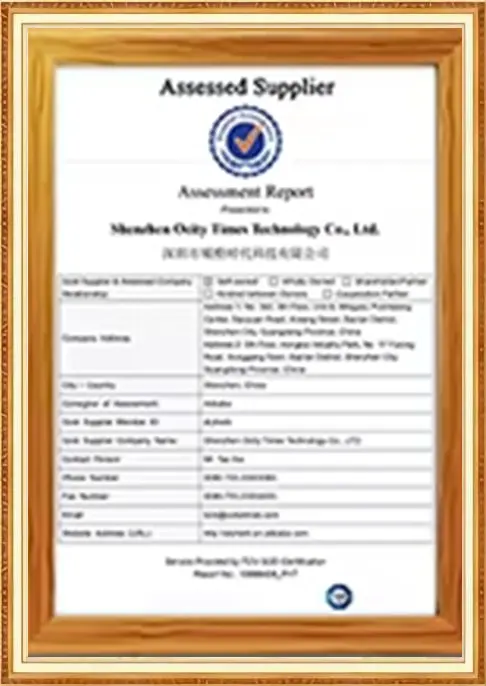
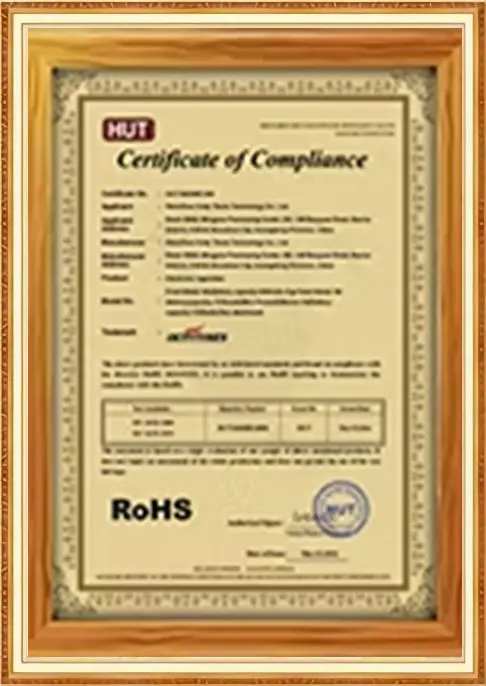
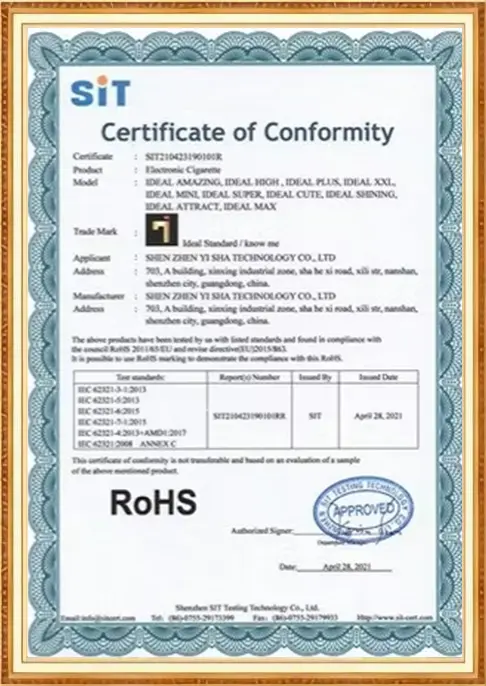
Our production facilities are certified to international regulatory and quality control standards.


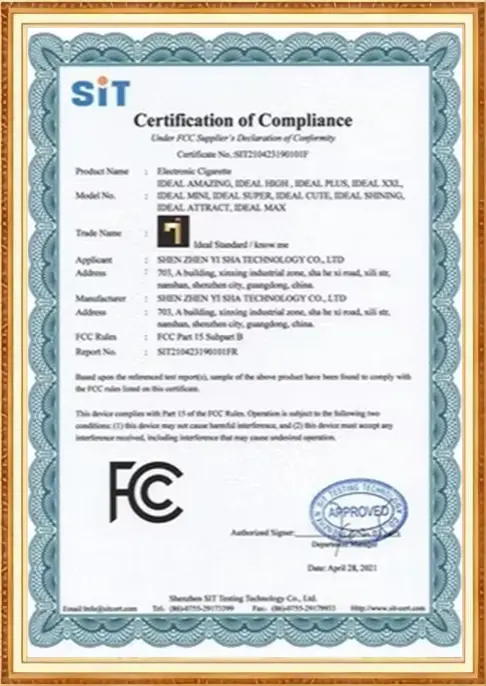
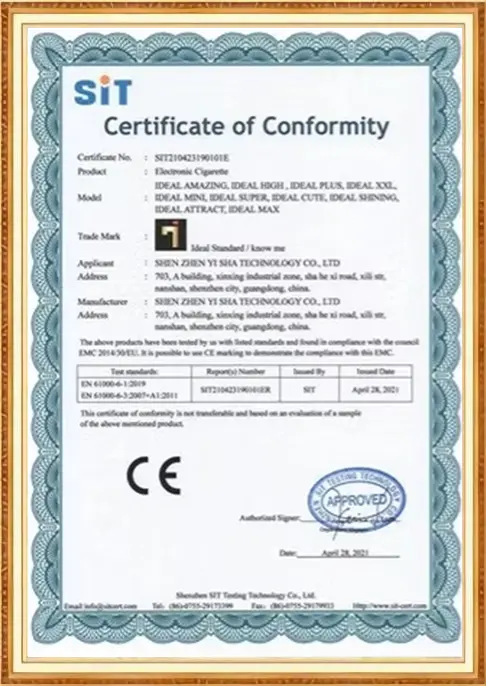
Expert insights into vaporization hardware, manufacturing compliance, and global distribution logistics.
Review our complete range of certified consumer devices, premium e-cigarettes, and integrated electronic accessories.