Modern global industries are undergoing a massive transition from traditional lead-acid systems to high-performance Large Capacity Lithium Batteries. As a premier manufacturer and exporter, we analyze this trend not merely as a replacement wave but as a profound structural redesign of energy grid resilience, electric mobility, and critical telecommunication infrastructure backup systems.
Traditional energy storage cells lacked the thermal dispersion and cycle-durability features needed to support deep discharge profiles. Modern high-capacity systems employ advanced chemical technologies, focusing heavily on Lithium Iron Phosphate (LiFePO4) and Nickel Manganese Cobalt (NMC) configurations to maximize both volumetric energy density (Wh/L) and gravimetric energy density (Wh/kg).
Our commitment to rigorous design parameters ensures that commercial buyers can secure robust energy density limits, minimal internal resistance values, and superior C-rate performance. This delivers optimal power discharge curves even during extreme weather operations and massive cycling loads.
High capacity demands robust internal cell architecture. Utilizing prismatic and cylindrical cells (such as the 32140 or 46800 formats), our manufacturing systems focus on structural safety matrices to isolate potential cell venting, completely preventing cascading thermal runway anomalies.
Leveraging China's unparalleled lithium supply chain ecosystems, we offer deep technological localization, extensive testing protocols, and cost structures optimized for scale.
By situating our central production sites within China’s prime industrial manufacturing corridors, we secure raw lithium carbonate, cathode sheets, and intelligent BMS processors at direct wholesale rates. This allows us to offer pricing up to 20% lower than regional western competitors without compromising on material purity.
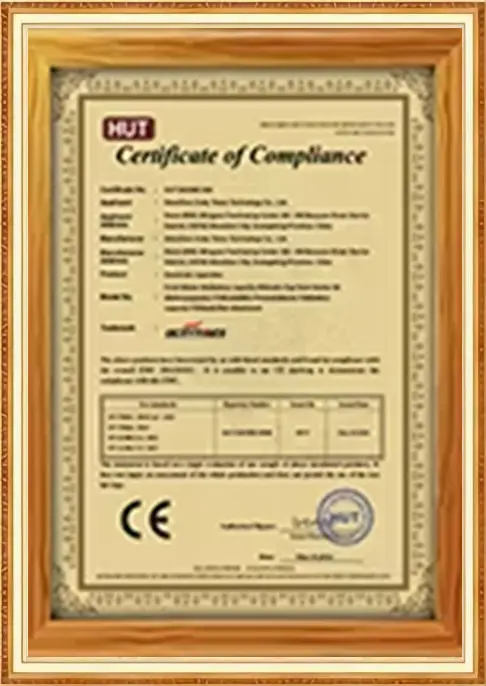
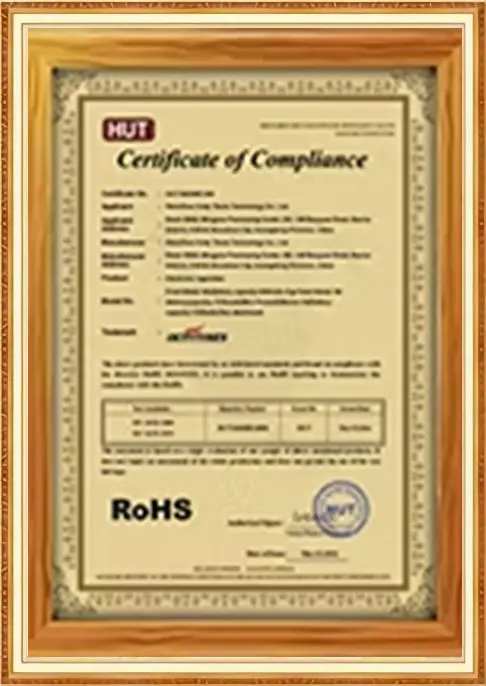
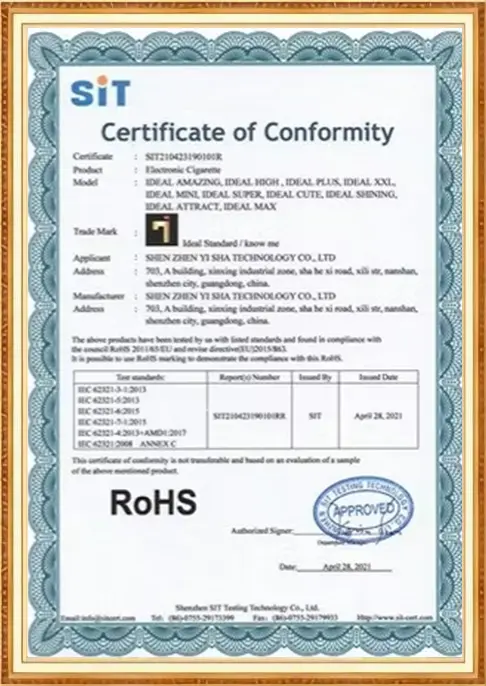
Our facilities are fully certified to international standards. Every cell and module undergoes demanding testing suites, certifying them under UN38.3, UL1973, CE, IEC62619, and RoHS protocols. This compliance guarantees smooth customs clearance and local installation approvals.
Whether you require vertical stack layouts, integrated liquid cooling networks, or unique custom voltages (e.g., 48V, 96V, 360V, or 720V packs), our specialized R&D team can develop functional prototypes within 14 business days, accelerating your time-to-market.
Established in 2015, Jinyu has evolved into a global leader in high-reliability technology manufacturing and robust battery-driven ecosystem configurations. Through our extensive 20,000-square-meter facility and integrated alliances, we deliver advanced power systems, micro-mobility drives, and 3C consumer electronics packaging for clients spanning 50+ countries.
From initial mechanical assembly design to ultimate functional aging tests, Jinyu offers an integrated manufacturing structure. By maintaining strict control over component sourcing, we keep system integration overhead low while maximizing structural durability and safety.
Company Established
Square Meters Facility
Strategic Factory Partners
Countries Supplied Globally
How next-generation high-capacity power solutions are driving evolution across four distinct market verticals.
Intermittent wind and solar energy generation demand high-capacity buffer batteries to stabilize municipal grids. Our lithium iron phosphate (LiFePO4) systems act as reliable peak-shaving nodes, capturing surplus power during daily production peaks and discharging it during high-load periods.
Heavy warehouses depend on automated guided vehicles (AGVs) operating on a 24/7 basis. By shifting away from lead-acid configurations to large-capacity lithium systems, logistics operators benefit from rapid opportunity charging, zero gas generation, and more than 4,000 charge cycles.
Factories and corporate offices use large-scale batteries to mitigate peak energy demand surcharges. Our integrated rack systems can scale dynamically from 50kWh systems to containerized MWh setups, ensuring seamless operations during utility outages.
High data throughput requires uninterrupted server uptime. Sourcing our reliable high-capacity modules protects against short-term power fluctuations, delivering high current outputs instantly when grid feeds drop.
Video: Tour of our fully automated assembly workshops and functional battery cell safety testing facilities.
When purchasing large quantities of batteries, technical buyers must look beyond basic nominal capacities. To help procurement managers protect their investments, our engineers have compiled this functional evaluation framework:
Over 5,000 5-Star Reviews from global enterprise and wholesale buyers.

"The battery systems we sourced are outstanding. Sourcing directly from the factory saved us time and money. Plus, their commitment to environmental compliance and battery recycling matches our corporate sustainability goals!"
"Developing custom storage solutions requires deep technical support. Their R&D team answered all our BMS questions quickly, and the UN38.3 shipping documents were processed without delay."
"We replaced our entire warehouse forklift battery fleet with their custom-built packs. We have seen a significant improvement in warehouse operations, lower energy bills, and zero maintenance issues so far."
Answers to the most common questions raised by our global partners, project developers, and engineers.
LiFePO4 (Lithium Iron Phosphate) offers exceptional thermal stability and a long cycle life (typically 4,000 to 6,000 cycles at 80% DoD), making it ideal for stationary energy storage systems (ESS). NMC (Nickel Manganese Cobalt) provides higher energy density in a smaller footprint, making it the preferred choice for space-constrained mobile applications like electric vehicles.
Our intelligent BMS continuously monitors cell voltages, currents, and temperatures. It prevents cell degradation through active balancing, while protecting the system against overcharging, over-discharging, short circuits, and thermal runaway by isolating compromised cell strings when needed.
Yes. Our modules support series connections up to 1000V and parallel connections up to 15 units to scale overall system capacity. However, to ensure safety, always match pack voltages, capacity ratings, and manufacturing batches when configuring the system.
All high-capacity battery exports comply with Class 9 dangerous goods transport standards. We provide complete documentation packages, including UN38.3 test reports, Material Safety Data Sheets (MSDS), and drop-test packaging approvals, to ensure safe transport by sea, rail, or air.
Our premium LiFePO4 systems retain more than 80% of their original nominal capacity after 4,500 cycles under standard 0.5C charge/discharge conditions at 25°C. This translates to an operational lifespan of 10 to 15 years in typical daily cycling environments.