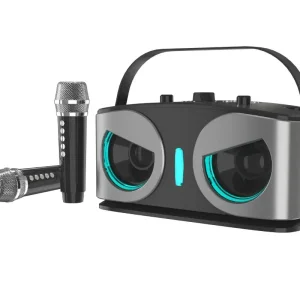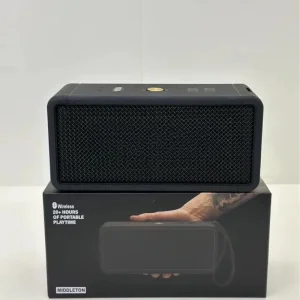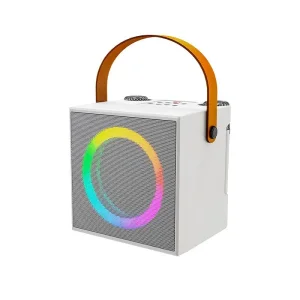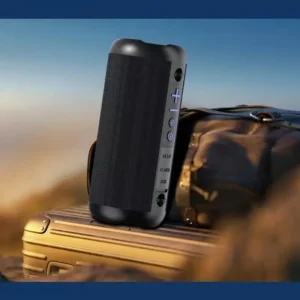
High-performance audio gear configured specifically to withstand high atmospheric salinity, intense monsoon precipitation, and extreme humidity levels.
Mumbai, the financial heartbeat of India, presents a unique market environment for outdoor sound systems. The combination of intense urban density, a massive hospitality footprint spanning rooftop bars in Bandra to coastal resorts in Juhu, and extreme weather dynamics requires outdoor audio hardware that transcends generic specifications. High relative atmospheric humidity levels (averaging over 80% year-round) paired with harsh monsoon downpours and saline coastal air dictate a rigorous hardware architecture.
For system integrators, venue developers, and electrical engineers in the Mumbai Metropolitan Region (MMR), choosing outdoor speaker factories that understand local conditions is not just about acoustic quality—it's a critical durability imperative. Standard enclosures corrode within months; untreated voice coils fail due to condensation; and driver cones rot from fungal accumulation. Forward-thinking procurement managers are transitioning away from domestic retail solutions toward factory-direct ODM partnerships that specialize in custom weatherproof design.
The technological trajectory of commercial sound systems serving major metropolitan hubs like Mumbai is defined by three primary structural shifts:
Modern commercial spaces demand acoustic uniformity. In Mumbai's premium beach clubs, retail walking streets, and high-density transportation terminals, acoustic planning relies heavily on multi-zone, low-latency architectures. Instead of relying on a singular massive high-SPL point source, systems are designed around distributed networks of lower-wattage, wide-dispersion landscape units. This configuration minimizes noise pollution to nearby residential zones while maintaining a rich sound stage.
Whether it is integrated garden subwoofer-tweeter arrays disguised as organic landscape elements, or line-array column speakers targeting specific seating arrays at high-end restaurants, manufacturing partners must provide customized directional patterns and directivity controls to manage acoustic reflections off high-rise glass and concrete facades.
Established in 2015, Jinyu Information Technology Co., Ltd has evolved into a global leader in 3C electronics, sound reproduction engineering, and smart hardware supply chains. Our advanced 20,000-square-meter proprietary manufacturing facility incorporates cutting-edge SMT lines, automated acoustic chambers, and weatherproofing environmental test facilities to guarantee reliable high-volume production output.
Through our strategic integrations with over 100 certified premium materials suppliers, we deliver end-to-end custom production capabilities for clients across 50+ countries. For enterprises in Mumbai, Jinyu provides a robust supply chain solution that achieves up to 20% cost efficiency advantages relative to typical distribution structures, backed by rapid 7-to-15-day logistics pathways and comprehensive OEM/ODM engineering support.
Deploying electronic hardware within the Mumbai Metropolitan Region requires strict adherence to national and regional safety standards.
All active audio visual equipment, amplification loops, and smart charging docks must carry valid BIS registration under CRS (Compulsory Registration Scheme) to clear Customs smoothly at Nhava Sheva (JNPT).
Active radio frequency modules, including Bluetooth 5.x transceivers, Wi-Fi 6 cards, and microwave control modules, require Equipment Type Approval (ETA) to operate lawfully on de-licensed frequency bands.
Hardware intended for seaside installations in Colaba or Marine Drive should hold at least IP65 certification (IP67 for low-altitude setups) and successfully clear 500-hour ASTM B117 salt spray testing.
Our facilities utilize strictly lead-free soldering and maintain full RoHS certification to comply with India’s updated E-waste (Management) Rules, ensuring an environmentally safe product lifecycle.
From robust eco-resort outdoor audio installations to integrated modern lifestyle consumer goods, optimized for international trade.
Get answers to critical technical and logistical questions on sourcing custom acoustic configurations for India.