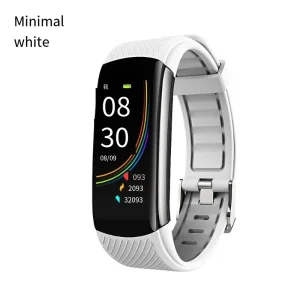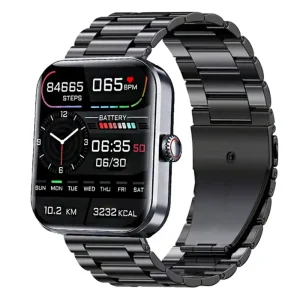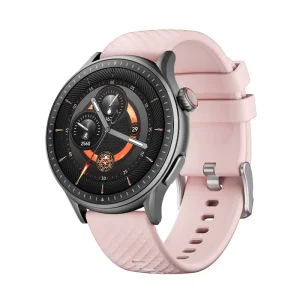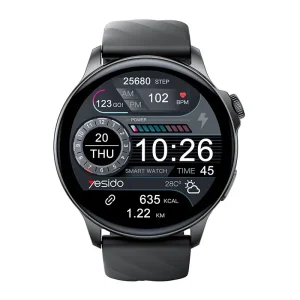
High-reliability industrial and lifestyle wearables calibrated for the Japanese and global enterprises.
In the era of hyper-connected supply chains and semantic search patterns, smartwatches have evolved far beyond mere consumer electronic gadgets. They have solidified their position as essential human-machine interface (HMI) nodes within the broader Industrial Internet of Things (IIoT) framework. As global enterprises seek resilient, high-volume manufacturing partners, the industrial corridor of Nagoya in Japan, combined with the extreme optimization of Chinese manufacturing bases, presents a highly integrated technological ecosystem. This white paper serves as a comprehensive analytical guide for procurement executives, hardware engineers, and technology distributors evaluating smart wearable supply chains, technical feasibility, and localized deployment models.
Nagoya, the capital of Aichi Prefecture, stands as the central powerhouse of Japan’s manufacturing and precision engineering sector. Known globally as the heart of Japan's automotive and aerospace industries, the Greater Nagoya area commands a highly sophisticated manufacturing network. The region's specialization in precision machining, micro-electro-mechanical systems (MEMS), and advanced sensor technologies provides the perfect technological bedrock for smart wearable integration.
Within this ecosystem, smartwatches are increasingly leveraged as critical safety devices and human data nodes. Local automotive production lines, logistics centers in Nagoya Port, and aviation assembly hubs require specialized wearable sensors capable of operating in high-interference electromagnetic environments. Japanese enterprises require hardware that complies with stringent local radio regulations (TELEC certification) and delivers medical-grade biometric measurement accuracy, emphasizing quality control, durability under extreme temperatures, and seamless localization with proprietary corporate networks.
The global wearable technology market is experiencing a structural shift from general fitness trackers toward advanced biometric diagnostic platforms. According to industry analysis, the demand for enterprise-grade smartwatches is growing at a compound annual growth rate (CAGR) of over 18%, driven by healthcare provider integration, workforce wellness programs, and field-service logistics. Key global enterprise procurement trends include:
While design specifications and high-level quality systems often draw inspiration from Japan's precision methodologies, the physical execution, components sourcing, and manufacturing scale are anchored in China’s high-tech manufacturing corridors. Companies like Jinyu Information Technology represent this cross-border synergy. Operating a massive 20,000-square-meter proprietary production facility, Jinyu bridges the gap between sophisticated design ideas and high-volume output.
The Chinese manufacturing advantage lies in its comprehensive component cluster. From micro-display panel packaging and multi-axis gyroscope assembly to high-capacity battery chemistry and rapid tool design, the vertical integration of Jinyu’s supply chain cuts prototyping lead times to mere days. By maintaining direct strategic relationships with over 100 certified tier-1 raw component suppliers, we consistently achieve a 20% reduction in production costs compared to fragmented supply networks. Furthermore, high manufacturing efficiency guarantees delivery within 7 to 15 days globally, backed by robust OEM/ODM support for deep hardware and software custom options.
Understanding Nagoya's industrial demands allows us to optimize wearable architectures for local applications:
The trajectory of smartwatches is defined by three fundamental innovations:
Modern PPG arrays are moving toward multi-wavelength LED designs that penetrate deeper dermal layers. This tech enables the reliable estimation of blood glucose fluctuations, blood oxygen saturation (SpO2), and vascular stiffness metrics. Calibration software increasingly uses machine learning models to isolate motion artifacts in real-time.
Using specialized RTOS (Real-Time Operating System) kernels and optimized microcontrollers (MCUs) ensures smartwatches can operate continuously for up to 14 days on a single charge. This drastically reduces the total cost of ownership (TCO) in industrial deployments, where daily charging cycles are impractical.
The integration of Bluetooth 5.3, ultra-wideband (UWB) for precise indoor asset location, and direct IoT network connectivity allows smartwatches to act as authenticated keyless entry badges, device controllers, and telemetry terminals simultaneously.
When selecting a global smartwatch supplier, technology buyers must evaluate vendors against the following benchmarks:
Established Supply Chain Leader
Proprietary Manufacturing Facilities
Certified Supplier Partners
Countries Exported Globally

Established in 2015, Jinyu has evolved into a global leader in 3C electronics and device supply chain solutions. With our 20,000-square-meter proprietary manufacturing facility and strategic partnerships with over 100 certified suppliers, we deliver end-to-end production capabilities for clients across 50+ countries. We support OEM/ODM customization with a focus on product reliability and rapid supply response.
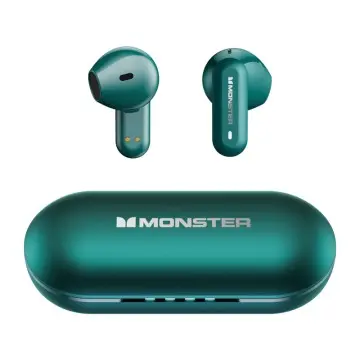
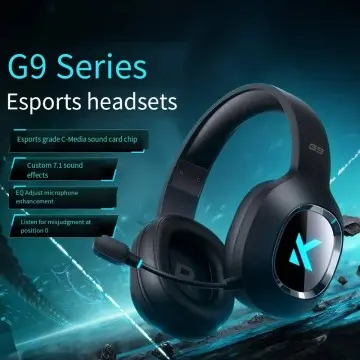
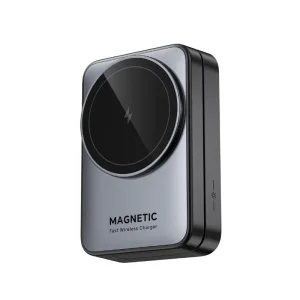
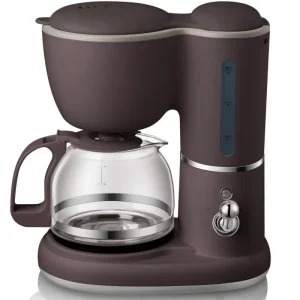
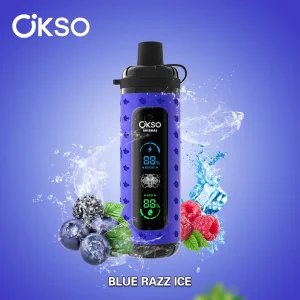
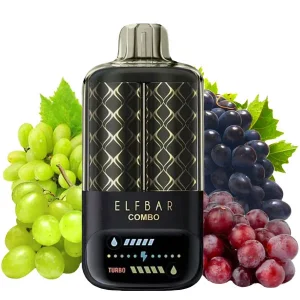
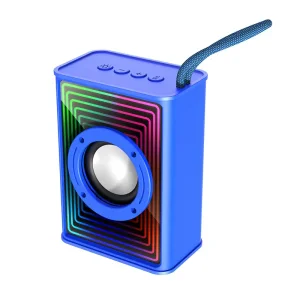
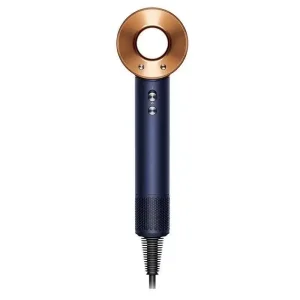
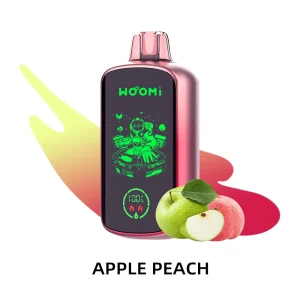
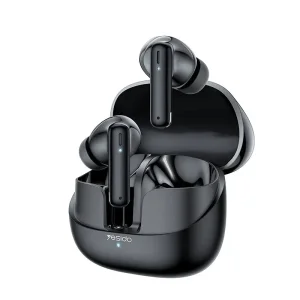
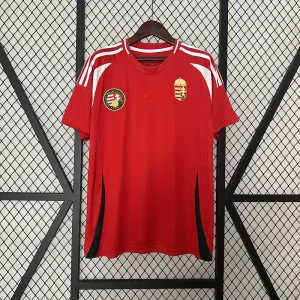
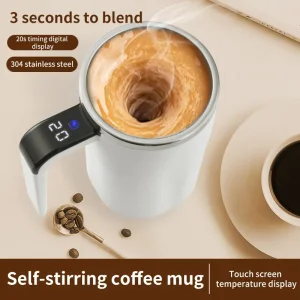
Discover our broad range of highly competitive product categories ready for global export.
Tour our modern production lines and quality test laboratories.
A brief walk through our assembly plant and logistics headquarters.
Automated SMT pick-and-place lines for wearable motherboards.
Environmental aging chambers, waterproofing tests, and drop testers.
We offer affordable IPTV solutions and customized streaming bundles to international distributors.
Hear what our global logistics, OEM partners, and distributors say about our supply chain performance.

"Jinyu is killing it with their plant-based solutions! The supply chain is robust. You can tell they go the extra mile every time, from initial communication to high-volume assembly."
"This company is down to earth, professional and extremely fast. The custom firmware we ordered was flawless. We will absolutely continue sourcing our corporate wearables here."
"Highly recommended by an industry friend. Their clean production methods and rigid raw material checks make them a trusted supply partner."
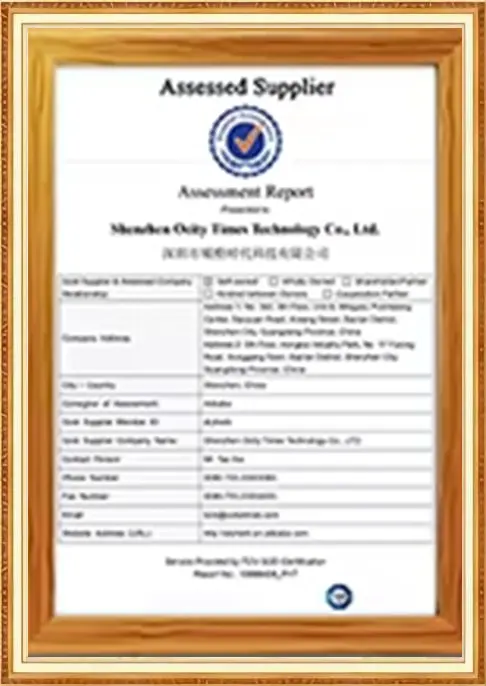
All smart products undergo comprehensive testing, compliant with global safety and wireless quality standards.





Answers to critical questions regarding custom wearable manufacturing, shipping, and technical features.
Browse our wide-ranging portfolio of smart devices, electronics, and accessories sourced by top global buyers.